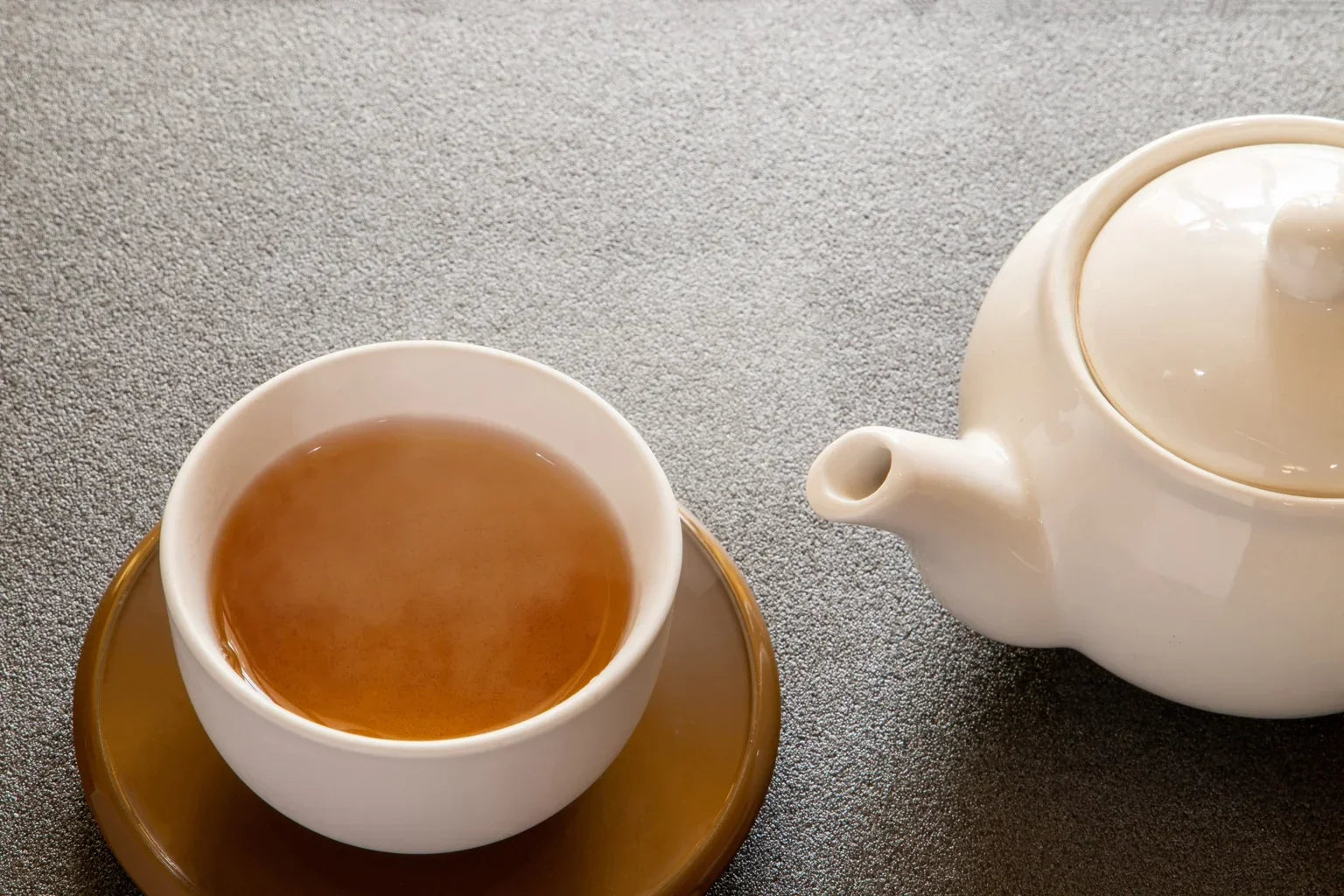
Why do Japanese Restaurants Use Soft Water? The Reasons It Improves the Taste of Dashi, Tea, and Rice

The "Water" that Supports the Flavor of Japanese Cuisine
When thinking about the deliciousness of Japanese cuisine, we often focus on ingredients and seasonings, but "water" is actually one of the most important elements.
When making dashi, cooking rice, or brewing tea or coffee, the flavor of many of the foods and drinks we consume daily changes depending on the water used.
Why is soft water preferred in Japanese cuisine?
This time, we will explore the deep relationship between Japanese cuisine and water.
What is the difference between soft and hard water?
Water has "hardness," which is classified by the amount of calcium and magnesium it contains.
| Classification | Hardness |
|---|---|
| Soft Water | Less than 60mg/L |
| Medium Hard Water | 60~120mg/L |
| Hard Water | Over 120mg/L |
Generally, Japan has a lot of soft water, while Europe tends to have more hard water.
Soft water is said to have a smooth mouthfeel and easily brings out the natural flavor of ingredients. Hard water, on the other hand, is rich in minerals and has a robust drinking experience.
Why is Japanese cuisine compatible with soft water?
Japanese cuisine is all about enhancing the umami and aroma of ingredients.
It is said that Japan's food culture, which values delicate flavors from ingredients like kelp, bonito flakes, rice, and tea leaves, has developed alongside soft water.
Soft water is less likely to interfere with the natural flavors of ingredients and is highly compatible with Japanese cuisine, making it the choice of many households and chefs.

Soft Water for Flavorful Dashi
Dashi is the foundation of Japanese cuisine.
When extracting umami from kelp and bonito flakes, soft water is said to easily draw out the inherent flavors of the ingredients.
Since the deliciousness of dashi influences the overall taste of the dish, choosing the right water is crucial.
▶ Related Articles
"Does Dashi Change with Water? Choosing Water for Delicious Dashi"

Water Also Affects How Rice is Cooked
Rice absorbs a large amount of water during cooking.
Soft water allows rice to absorb water more easily, resulting in a plump texture.
Because rice is eaten daily, the difference in water can affect its texture and flavor.

Matcha and Hojicha Also Change with Water
Tea is about 99% water.
Therefore, if the water changes, so does the taste.
Matcha and Hojicha are beverages that allow us to enjoy delicate aromas and umami. Soft water is said to enhance the natural flavors of tea leaves.
▶ Related Articles
"Does Matcha Taste Different with Water? The Difference in Water and How to Choose for Deliciousness"
▶ Related Articles
"Why Hojicha Aroma Differs | It's Not the Tea Leaves, It's the Water"

Water Selection is Important for Coffee Too
In fact, about 98% of coffee's composition is water.
No matter how high-quality the coffee beans are, the impression of the taste changes depending on the water.
Coffee lovers tend to be particular about not only the beans but also the water.
▶ Related Articles
"Does Coffee Taste Different with Water? The Difference Between Soft and Hard Water and How to Brew Deliciously"
The Option of Ultra-Soft Water
Generally, soft water is considered to have a hardness of less than 60mg/L.
Among these, Onsensui99 is ultra-soft water with a hardness of only 1.7mg/L.
It is a natural alkaline mineral water sourced from 750m underground in Tarumizu City, Kagoshima Prefecture, and is chosen by those who want to enjoy the natural flavors of ingredients in dashi, rice, Japanese tea, coffee, and more.
Additionally, despite being natural alkaline mineral water with a pH of 9.5 to 9.9, its soft mouthfeel and easy drinkability are also distinctive features.

Why not reconsider the relationship between Japanese food culture and water?
We drink water and use water for cooking every day.
However, compared to ingredients and seasonings, we don't often pay much attention to water.
Dashi, rice, tea, coffee.
The taste of these might actually be supported by "water."
By reconsidering the water you usually use, your everyday meals might become even more enjoyable.
Summary
The reason soft water is preferred in Japanese cuisine is that it helps bring out the original taste and aroma of ingredients.
Dashi, rice, tea, coffee, and other common foods and drinks are influenced by water.
If you want to enjoy the deliciousness of Japanese cuisine even more, why not look beyond ingredients and consider "water"?
Ultra-soft water like Onsensui99 is an interesting option to consider when thinking about its compatibility with Japanese food culture.
Related Articles
・Why Soba Tsuyu Tastes Different in Thailand | It's Not the Soy Sauce, It's the Water
・Not just rice. Why miso soup made with Onsensui99 tastes better.
・Why Japanese Food Doesn't Taste Good in Thailand | It's Not the Ingredients, It's the Water
・Why Japanese Rice Doesn't Cook Well in Thailand | Why Not Reconsider the Water, Not the Rice?
・Why Japanese Tea Doesn't Taste Good in Thailand | It's Not the Tea Leaves, It's the Water
・Why Coffee Tastes Different in Thailand | It's Not Just the Beans, Water is Also Involved
・Why Dashi Tastes Different in Thailand | It's Not the Kombu or Bonito Flakes, It's the Water
・Why Chawanmushi Made in Thailand is Different from Japan | It Might Be Influenced by Water, Not Eggs
・Why Hojicha Aroma Differs | It's Not the Tea Leaves, It's the Water