Not just rice. The reason why miso soup made with Onsen-sui 99 is delicious.

More than just rice: Water supports the flavor of Japanese cuisine
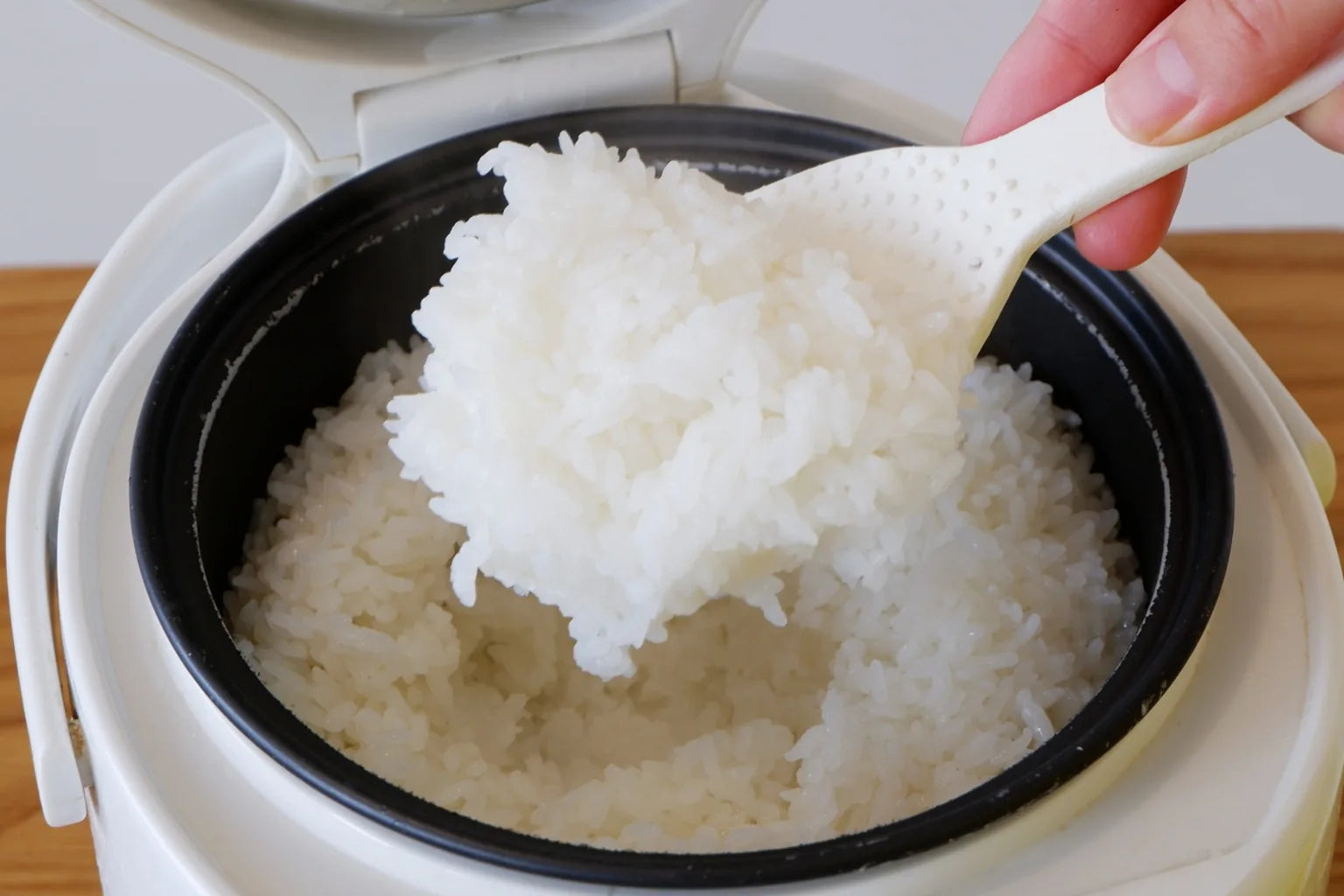
In our previous article, we introduced cooking rice with Onsensui 99.
Actually, water isn't just important for rice.
Miso soup, an indispensable part of Japanese meals, can also have its taste impression altered by the water used.
When making miso soup, most people pay attention to:
- Miso
- Kelp (Konbu)
- Bonito flakes (Katsuobushi)
However, the opportunity to consider the "water" that makes up the majority of miso soup may be surprisingly rare.
In the world of Japanese cuisine, water is also considered one of the important ingredients.

Why is soft water said to be suitable for Japanese cuisine?
Japan is a country with a high proportion of soft water globally.
Soft water refers to water that is relatively low in minerals such as calcium and magnesium.
Japanese cuisine has developed over a long history in this soft water environment.
For example,
- Miso soup
- Dashi (broth)
- Nimono (simmered dishes)
- Chawanmushi (savory egg custard)
- Japanese tea
are said to be highly compatible with soft water.
For Japanese cuisine, which brings out the delicate flavors of ingredients, water can be considered an invisible seasoning.

Dashi that supports the deliciousness of miso soup
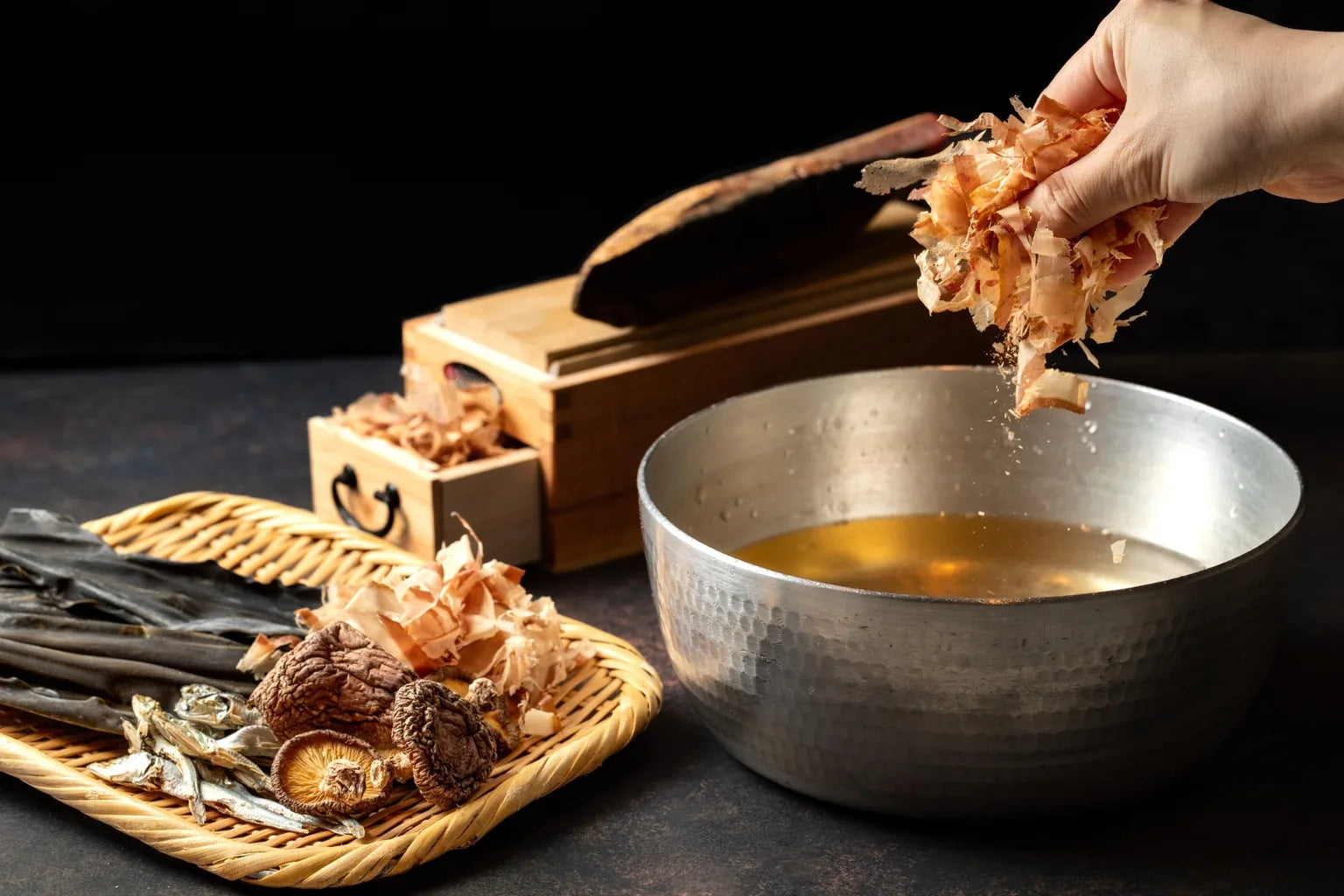
Dashi (broth) is an important element that determines the taste of miso soup.
Typical dashi types include:
- Kombu dashi (kelp broth)
- Katsuobushi dashi (bonito flake broth)
- Niboshi dashi (dried sardine broth)
- Awase dashi (mixed broth)
Kombu contains glutamic acid, and katsuobushi contains inosinic acid, both of which are umami components.
Soft water is generally said to be good at bringing out the delicate flavors of such dashi.
Therefore, many Japanese chefs pay attention not only to dashi but also to water.

Is hard water suitable for miso soup?
Hard water contains relatively more calcium and magnesium.
While there are regions where hard water is popular for drinking, soft water is often chosen for Japanese cuisine.
Especially for dishes that rely on delicate flavors, such as miso soup and dashi, the quality of the water can change the perception of the taste.
For this reason, many Japanese restaurants and home cooks prefer soft water.
Why Onsensui 99 is compatible with Japanese cuisine
ONSENSUI99 (Onsensui 99) is natural alkaline hot spring water sourced from approximately 750m underground in Tarumizu City, Kagoshima Prefecture.
Its characteristics are:
- pH 9.5-9.9
- Hardness 1.7 mg/L
- Ultra-soft water
The hardness value of 1.7 mg/L makes it ultra-soft water, which is extremely low even in Japan.
Therefore, it is considered highly compatible with Japanese cuisine, which aims to bring out the inherent flavors of ingredients.
Comparison of typical Japanese water and Onsensui 99
| Item | Typical Japanese soft water | Onsensui 99 |
|---|---|---|
| Hardness | Approx. 30-80 mg/L | 1.7 mg/L |
| pH | Approx. 6-8 | 9.5-9.9 |
| Characteristics | Soft water | Ultra-soft water, natural alkaline hot spring water |
| Source | Various locations in Japan | Tarumizu City, Kagoshima Prefecture |
| Depth of source | - | Approx. 750m underground |

Not just for miso soup. Also for rice and Japanese tea.
Onsensui 99 can be used in various Japanese cuisine settings, not just for miso soup, but also for:
- Rice
- Dashi (broth)
- Japanese tea
- Nimono (simmered dishes)
- Chawanmushi (savory egg custard)
Because Japanese cuisine values the taste of its ingredients, choosing water can be one of its pleasures.

Revisiting water, starting with everyday miso soup
We may pay attention to miso and dashi, but perhaps less to water.
However, precisely because miso soup is consumed daily, even small differences can be noticeable.
Just as you pay attention to miso and dashi, focusing on water might lead to new discoveries.
Onsensui 99 is natural alkaline hot spring water nurtured by the nature of Tarumizu City, Kagoshima Prefecture.
Why not start by trying the gentle taste unique to ultra-soft water in your daily miso soup?
Summary
To make delicious miso soup, a balance of:
- Miso
- Dashi (broth)
- Water
is essential.
Japanese cuisine has developed within a soft water culture, so soft water is said to be suitable for miso soup and dashi.
Onsensui 99, with a hardness of 1.7 mg/L, is an ultra-soft water and a natural alkaline hot spring water recommended for those who want to enjoy the delicate flavors of Japanese cuisine.
Why not try the difference water can make, starting with your daily miso soup?
Frequently Asked Questions (FAQ)
Which is better for miso soup, soft water or hard water?
Generally, soft water is said to be more suitable for Japanese cuisine and miso soup.
Does water change the taste of miso soup?
Since most of miso soup is made of water, the difference in water can change the impression of its flavor and texture.
What is the hardness of Onsensui 99?
The hardness of Onsensui 99 is 1.7 mg/L. It is classified as ultra-soft water, which is rare even in Japan.
Can Onsensui 99 be used for things other than miso soup?
It can be used for various Japanese dishes such as rice, dashi (broth), Japanese tea, nimono (simmered dishes), and chawanmushi (savory egg custard).
Can Onsensui 99 also be used when making dashi?
Yes, it can be used for making Japanese dashi, such as kombu dashi and katsuobushi dashi.
Related Articles
- Why Japanese food doesn't taste good in Thailand | It's actually the water, not the ingredients.
- Why Japanese rice doesn't taste good when cooked in Thailand | Why not reconsider the water instead of the rice?
-
Why the taste of Japanese tea changes in Thailand | It's actually the water, not the tea leaves.