Why Soba Dipping Sauce Tastes Different in Thailand: It's Not the Soy Sauce, It's the "Water"

Have you ever eaten soba, somen, or udon in Thailand,
and felt that the taste was "a little different from what you ate in Japan"?
You use soy sauce brought from Japan.
You use Japanese-made mentsuyu (noodle dipping sauce).
Even the bonito flakes and kelp are Japanese-made.
Yet, for some reason, it doesn't taste like what you ate in Japan.
The truth is, the reason for that difference might not be the soy sauce or dashi, but the "water."

Most of Soba Tsuyu is Made of Water
Soba tsuyu is made from ingredients such as:
- Bonito flakes
- Kelp
- Soy sauce
- Mirin
- Sugar
However, what is often surprisingly overlooked is water.
Most of soba tsuyu is composed of water.
This means that if the water changes, the taste of the soba tsuyu can also change.

Japanese Soba Culture and Soft Water
Japan is a country with a soft water culture, which is rare worldwide.
Japanese cuisine has developed alongside soft water.
For example:
- Dashi (broth)
- Miso soup
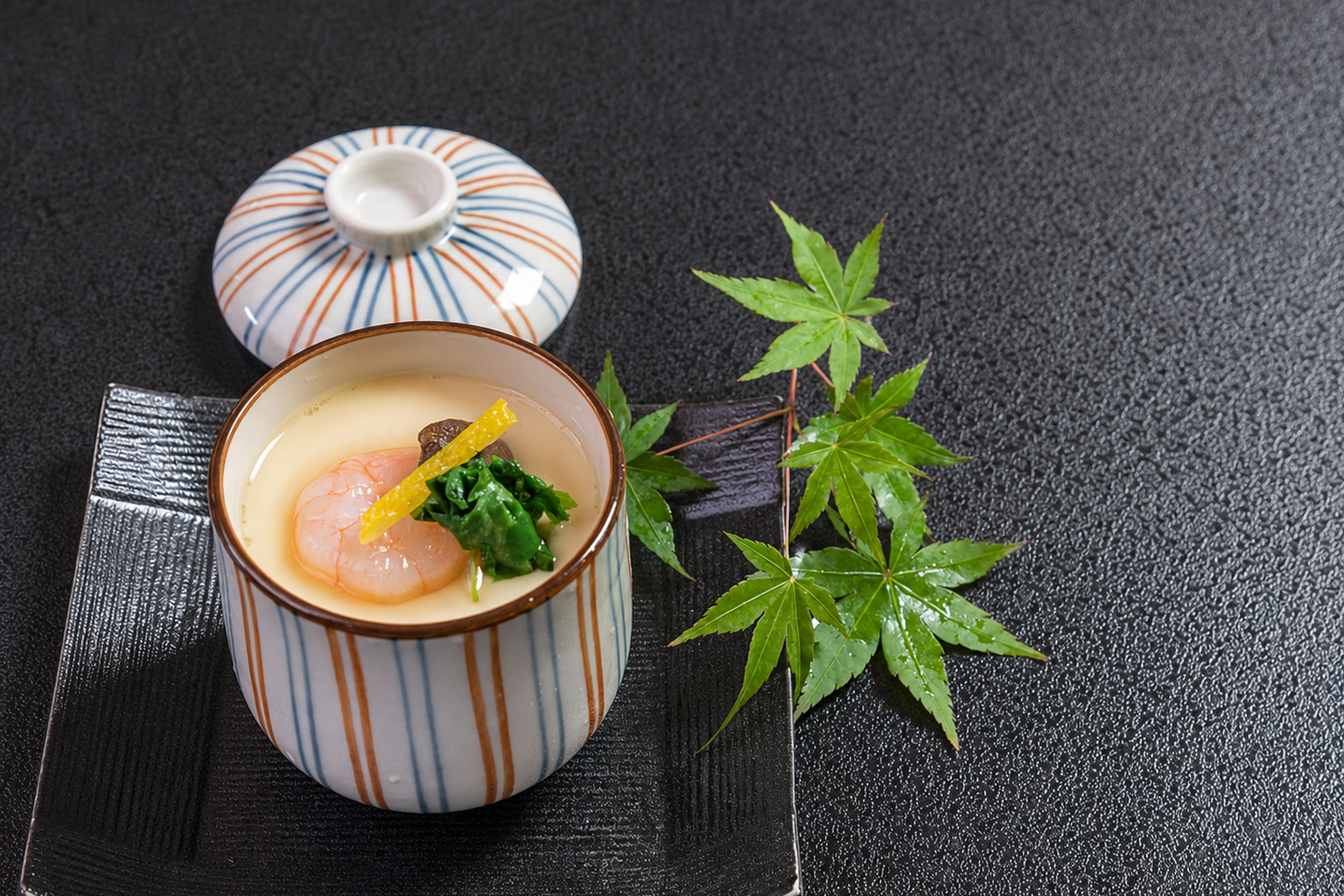
- Chawanmushi (steamed egg custard)
- Japanese tea
- Soba tsuyu
It is said that Japanese cuisine and soft water are highly compatible because soft water easily brings out the delicate umami of kelp and bonito flakes.

The Taste of Dashi Changes with Water
When extracting umami from kelp and bonito flakes, water plays a crucial role.
Generally, soft water is said to easily bring out:
- The umami of kelp
- The aroma of bonito flakes
- Delicate flavors
Therefore, dashi made in Japan and dashi made in Thailand can have different taste impressions, even if the same ingredients are used.
Why the Taste of Soba Tsuyu Changes in Thailand
There are many types of drinking water in Thailand.
However, the mineral balance may differ from the ultra-soft water that Japanese people are accustomed to.
Minerals such as calcium and magnesium can affect:
- Dashi extraction
- Aroma
- Umami
- Aftertaste
This is why you might find that "the taste isn't quite right, even with the same recipe."

Water also Affects Mentsuyu
Even when using commercially available mentsuyu, water is still relevant.
Especially with concentrated mentsuyu that needs to be diluted, the water can change the taste impression.
Those who frequently eat somen, udon, or soba may be more likely to notice the difference in water.
I Myself Felt the Difference
Living in Thailand, I sometimes feel that "for some reason, the soba tsuyu isn't quite right."
Changing the soy sauce doesn't help.
Changing the dashi doesn't help.
However, changing the water can alter the impression of the aroma and aftertaste.
Once again, I realized the importance of water in Japanese cuisine.

The Taste Differences Experienced in Thailand are Not Just for Soba Tsuyu
In fact, the differences due to water are not limited to soba tsuyu.
There are commonalities in the "taste differences" that Japanese people feel in Thailand.
[Related Articles]
Reasons Why Dashi Tastes Different in Thailand | It’s Not Kelp or Bonito Flakes, It’s the "Water"
Dashi is the foundation of Japanese cuisine. Its taste changes not only with kelp and bonito flakes, but also with water.
Not Just Rice. Why Miso Soup Made with Onsensui 99 is Delicious
Most of miso soup is also water. It's a dish where you're likely to notice the difference because it's an everyday meal.
The aroma and sweetness of Japanese tea greatly change depending on the water.
About 99% of coffee is water. This article is also recommended for coffee lovers.
Reasons Why Japanese Rice Isn't Cooked Well in Thailand | It Wasn't the Rice, It Was the "Water"
The taste is different even when using the same rice. This article explains why.
ONSENSUI99 and Soba Tsuyu
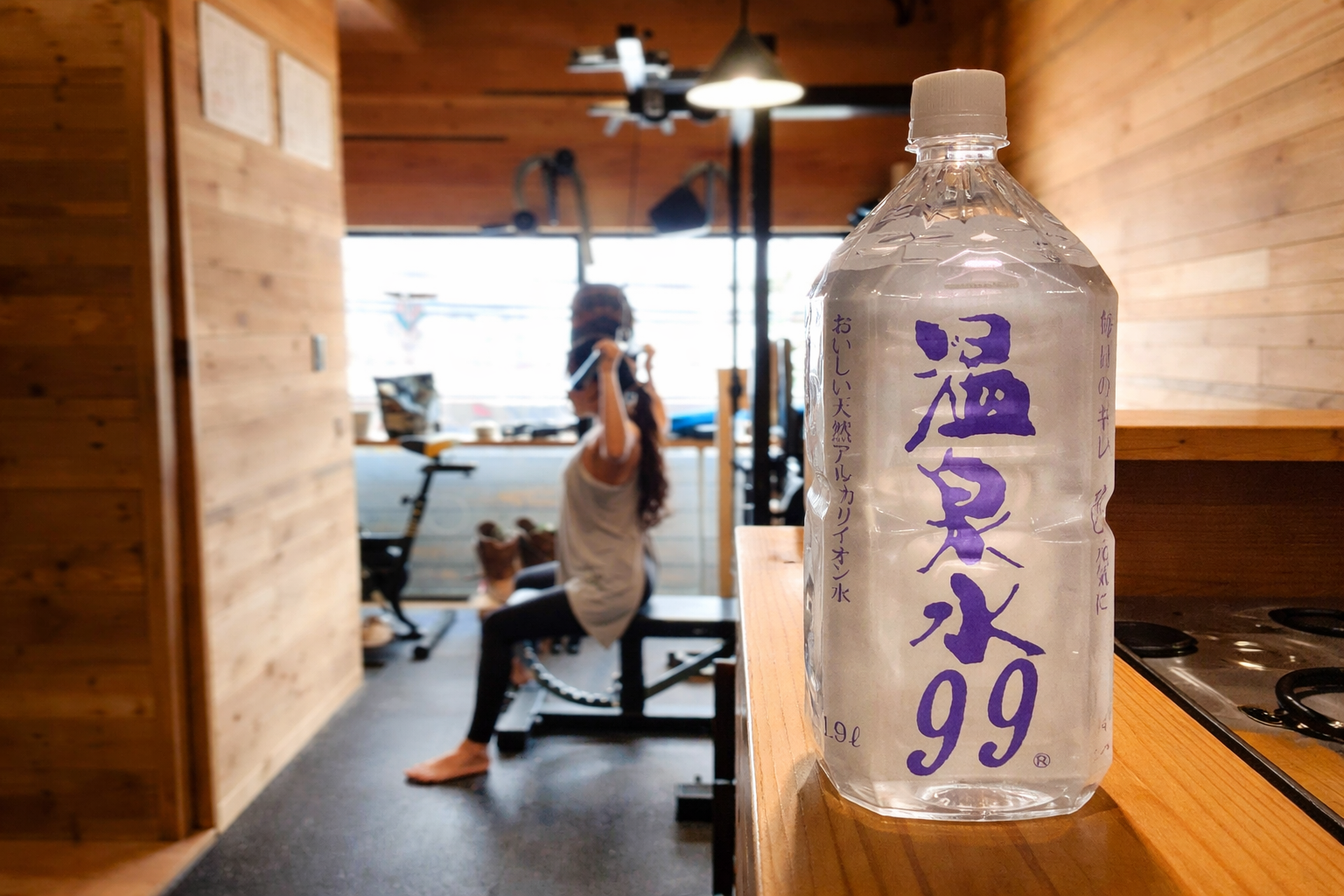
ONSENSUI99 is natural alkaline hot spring water sourced from 750m underground in Tarumizu City, Kagoshima Prefecture.
Its characteristics are:
- pH 9.5-9.9
- Hardness 1.7mg/L
- Ultra-soft water
Ultra-soft water is said to be highly compatible with the dashi culture that Japanese people are accustomed to.
Some people also notice a difference in taste by re-evaluating the water when making soba tsuyu or mentsuyu.
Frequently Asked Questions
Is it okay to make soba tsuyu with Thai water?
Of course, there's no problem. However, the taste impression may change depending on the water.
Which is more important for soba tsuyu, dashi or water?
Both are important, but most of soba tsuyu is composed of water.
Does the taste of dashi change with soft water versus hard water?
Generally, soft water is said to bring out the delicate umami of kelp and bonito flakes more easily.
Does water affect somen and udon too?
Yes. It can affect not only the taste of the dipping sauce but also the overall impression of the dish.
Summary
If you feel that the taste of soba tsuyu is different in Thailand, the cause might not be just the soy sauce or dashi, but the water.
Japanese cuisine has developed alongside soft water culture.
For those who are particular about the taste of soba tsuyu, mentsuyu, somen, and udon, please pay attention to the water.
Simply changing the water might make your usual soba or somen taste even more delicious.