The reason Japanese food can't be made deliciously in Thailand: It's actually the water, not the ingredients

Why does the taste differ even with the same ingredients as in Japan?
We often hear from Japanese people living in Thailand and those running Japanese restaurants:
"The taste is different even with the same recipe."
"I feel the dashi flavor is weak."
"The rice doesn't taste like it does in Japan."
Many people believe the cause lies in the ingredients or seasonings.
However, if the taste changes even when using soy sauce, miso, and Japanese rice imported from Japan, the reason might be the "water."
In fact, Japanese cuisine is deeply connected to water.

Japanese cuisine developed in a "soft water culture."
Japan is known as a country with abundant soft water.
Soft water is water with low mineral content, such as calcium and magnesium.
Representative Japanese dishes include:
・Miso soup
・Nimono (simmered dishes)
・Takikomi gohan (mixed rice)
・Udon
・Soba
・Japanese tea
These are said to be highly compatible with soft water.
In other words, Japanese cuisine itself is a food culture that developed on the premise of using soft water.

The taste of dashi changes with water.
The foundation of Japanese cuisine is dashi.
When extracting umami from kombu and katsuobushi, the properties of the water play a crucial role.
Soft water is said to easily draw out the inherent umami and aroma of ingredients, making it ideal for creating delicate dashi.
For this reason, many Japanese restaurants and chefs consider water to be a vital element.
No matter how good the kombu or katsuobushi, the final result changes significantly with different water.

The deliciousness of rice is also determined by water.
Rice absorbs a large amount of water during cooking.
Therefore, differences in water directly affect the taste and texture of cooked rice.
Rice cooked with soft water is said to have:
・A fluffy texture
・Natural sweetness
・A soft mouthfeel
If you buy Japanese rice in Thailand and find that it doesn't cook up the same way as in Japan, it's worth re-evaluating your water.

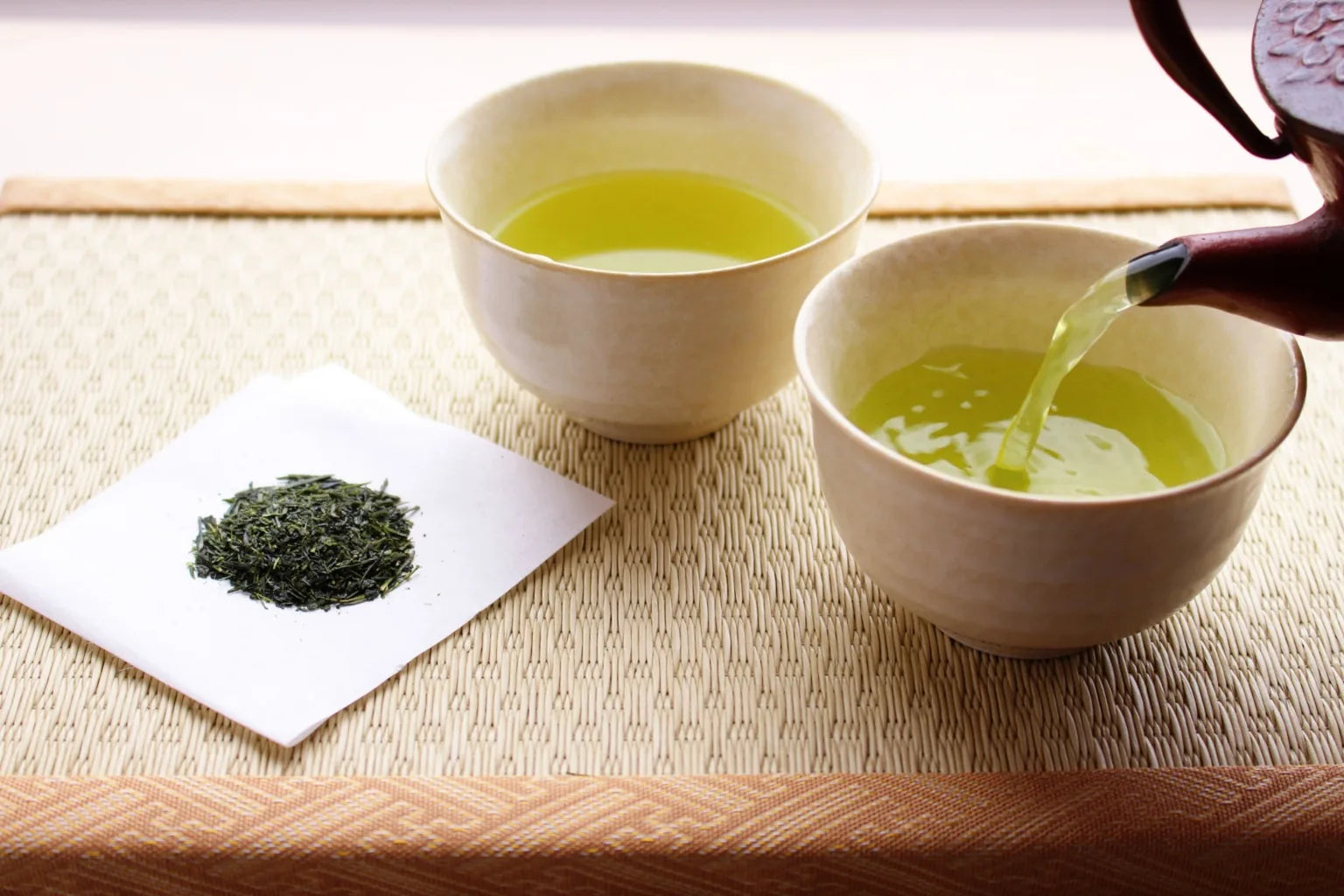
Matcha and Japanese tea are also affected by water.
Matcha's popularity has been growing in Thailand in recent years.
However, matcha and green tea are very delicate beverages.
Water can change their:
・Aroma
・Umami
・Bitterness
・Aftertaste
Even in Japanese tea ceremony culture, water is considered a crucial factor that influences the taste of tea.

Why Onsensui99 is compatible with Japanese cuisine
ONSENSUI99 (Onsensui99) is a natural alkaline mineral water sourced from approximately 750m underground in Tarumizu City, Kagoshima Prefecture.
Its most significant feature is its ultra-soft water with a hardness of 1.7mg/L.
This hardness is exceptionally low even compared to typical Japanese soft water.
| Item | Typical Japanese Soft Water | Onsensui99 |
|---|---|---|
| Hardness | Approx. 30-80mg/L | 1.7mg/L |
| pH | Approx. 6-8 | 9.5-9.9 |
| Characteristics | Soft water | Ultra-soft water・Natural alkaline |
In addition to drinking it as is,
・Dashi
・Cooking rice
・Japanese tea
・Matcha
It is also chosen as water for enjoying Japanese cuisine.

Summary | Ingredients are not the only thing that changes the taste of Japanese food.
When preparing Japanese food in Thailand, many people focus on ingredients and seasonings.
However, one of the crucial elements supporting the taste of Japanese cuisine is "water."
If you feel that:
"It doesn't taste the same as in Japan."
"The dashi flavor is different."
"The rice doesn't cook as expected."
Please consider looking into your water.
Japanese cuisine changes significantly not only with ingredients but also with water.
By incorporating ultra-soft water like Onsensui99, you might discover a new way to achieve an authentic Japanese flavor.
Frequently Asked Questions (FAQ)
Why does Japanese rice taste different when cooked in Thailand?
Besides the rice variety, the difference in water used for cooking also plays a role. The texture and sweetness can change depending on the water.
Why is soft water said to be good for Japanese cuisine?
Soft water is believed to easily extract the delicate flavors of dashi and tea, making it highly compatible with Japanese cuisine.
What is the hardness of Onsensui99?
The hardness of Onsensui99 is 1.7mg/L. It is classified as ultra-soft water, which is rare even in Japan.
Related Articles
・A thorough comparison of mineral waters available in Thailand | Which water is best for Japanese food?
・What kind of water makes matcha taste better in Thailand?
・What is ONSENSUI99? Natural alkaline hot spring water from Kagoshima