Why Japanese Rice Doesn't Cook Well in Thailand | Instead of the Rice, Why Not Reconsider the "Water"?

Why doesn't Japanese rice taste the same in Japan?
You can buy Japanese rice in Thailand.
Recently, high-quality Koshihikari and Akita Komachi varieties have also become more readily available.
Despite this,
Have you ever felt that it "tastes different from the rice eaten in Japan,"
"seems to lack sweetness,"
or "doesn't have that fluffy texture"?
Many people believe the cause lies in:
- The rice variety
- The rice cooker
- The storage method
However, there is an important factor that is often overlooked.
That is "water."

About 60% of cooked rice is water
Rice absorbs a large amount of water during cooking.
Much of the weight of cooked rice is moisture.
This means that if the water changes, the taste and texture of the rice also change.
No matter how high-quality the Japanese rice, differences in water can affect the impression of the cooked rice.

The Relationship Between Japanese Rice Culture and Soft Water
Japan is known as a country with a high proportion of soft water.
Soft water is water with relatively low levels of minerals like calcium and magnesium.
Not only Japanese cuisine, but also Japanese rice culture has developed in a soft water environment.
Generally, soft water is said to contribute to:
- A smooth mouthfeel
- Natural sweetness
- A fluffy texture
For this reason, Japanese rice and soft water are considered to be a good match.

Why the taste of rice changes in Thailand
In Thailand, water quality varies depending on the region and the water source used.
Even with a water purifier,
- The mineral balance
- Hardness
- And taste
may differ from Japan.
As a result,
even when using the same Japanese rice, you might notice differences in:
- Texture
- Sweetness
- And aroma
If you want to reproduce the taste of rice you've eaten in Japan, it's important to consider not just the rice, but also the water.

How does water change the outcome of cooked rice?
Generally, soft water is said to create an environment where rice can easily absorb water.
Therefore, it can lead to cooked rice with:
- A fluffy texture
- Stickiness
- And sweetness
On the other hand, changes in water quality can alter the impression of the cooked rice.
Perhaps because it's a food we eat daily, the difference in water might be more noticeable.

Compatibility of Onsensui 99 with rice cooking
ONSENSUI99 (Onsensui 99) is natural alkaline hot spring water sourced from approximately 750m underground in Tarumizu City, Kagoshima Prefecture.
Its characteristics include:
- pH of 9.5-9.9
- Hardness of 1.7mg/L
- And being ultra-soft water
Water with a hardness of 1.7mg/L is an exceptionally rare ultra-soft water even in Japan.
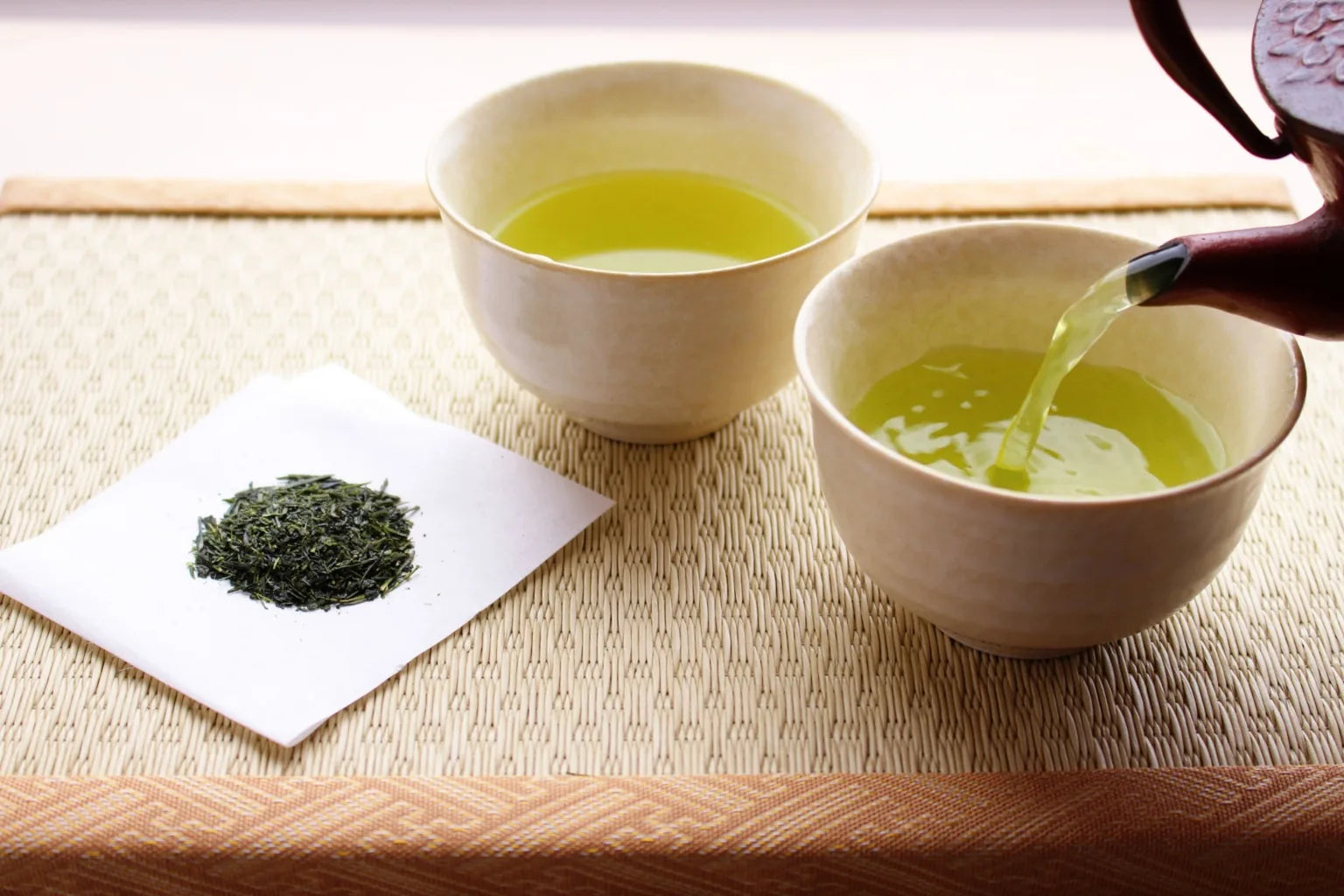
It is chosen not only for drinking but also for its compatibility with Japanese food culture, such as for:
- Cooking rice
- Making dashi (broth)
- And brewing Japanese tea
Comparison of typical Japanese water and Onsensui 99
| Item | Typical Japanese Soft Water | Onsensui 99 |
|---|---|---|
| Hardness | Approx. 30-80 mg/L | 1.7 mg/L |
| pH | Approx. 6-8 | 9.5-9.9 |
| Characteristics | Soft water | Ultra-soft water, natural alkaline hot spring water |
| Sourcing Location | Various locations throughout Japan | Tarumizu City, Kagoshima Prefecture |
| Sourcing Depth | - | Approx. 750m underground |

Tips for enjoying even more delicious rice
Water is not the only factor that influences the taste of rice.
For example, various factors are involved, such as:
- The rice variety
- Whether it's rinse-free or polished rice
- Storage method
- Rice cooker performance
- And the water used for cooking
In recent years, with improved milling technology, more rinse-free rice products can be cooked deliciously.
Also, in Thailand, high-quality Japanese rice has become more readily available, making it possible to cook rice in an environment similar to Japan.
However, while many people are particular about rice and rice cookers, not many pay attention to "water."
Since rice absorbs a large amount of water during cooking, differences in water can change the texture and taste.
Because rice is a daily staple, by paying attention not only to the rice but also to the water, you might discover new insights.
Summary
When cooking Japanese rice in Thailand,
you might feel that "it tastes somehow different from the rice eaten in Japan."
The reason might not only be the rice but also the water.
Since rice is a daily staple, choosing the right water is an important factor.
If you want to enjoy the authentic deliciousness of Japanese rice, why not pay attention to the water you use?
Frequently Asked Questions (FAQ)
Why is soft water said to be good for cooking Japanese rice?
Generally, Japanese rice is said to pair well with soft water. Soft water is believed to enhance the flavor and texture of rice.
Is there a difference in taste between rinse-free rice and polished rice?
There are differences depending on the type of rice and cooking method, but the quality of rinse-free rice has improved in recent years, and many delicious varieties are now available.
What are the important factors for cooking delicious Japanese rice?
Multiple factors are involved, including the rice variety, storage method, rice cooker, and the water used for cooking.
What is the hardness of Onsensui 99?
The hardness of Onsensui 99 is 1.7mg/L. It is classified as ultra-soft water, which is rare even in Japan.