
journal
水に自信があるから、継続を縛らない。温泉水99が考える定期購入のかたち
水に自信があるから、継続を縛らない。温泉水99 Thailandでは、定期購入に最低購入回数を設けていません。「解約しにくいから」ではなく「飲みたいから続ける」。私たちが大切にしている定期購入への考え方をご紹介します。
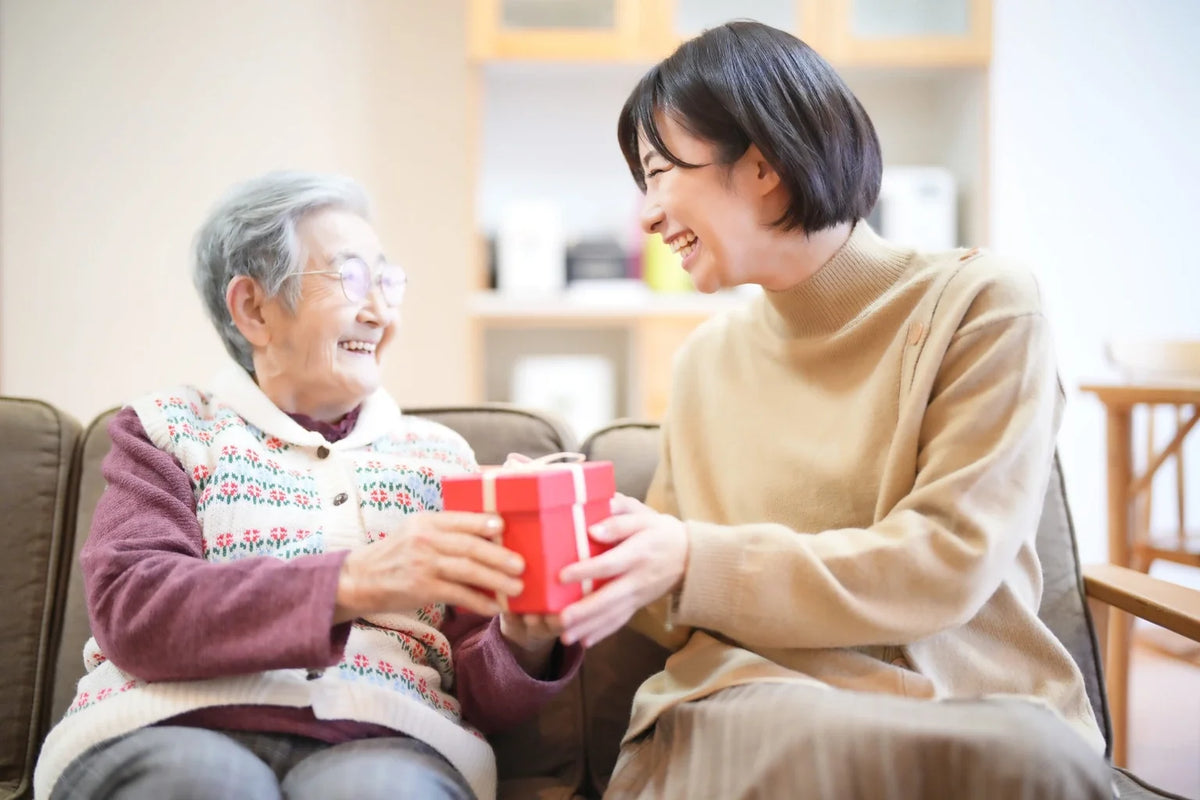
大切な人に「ありがとう」を伝える|自分が本当に良いと思うものを贈るということ
大切な人への「ありがとう」は、特別な日だけに伝えるものではありません。自分が毎日使っているもの、おいしいと思っているもの、本当に良いと感じているものを贈ることも、感謝の伝え方のひとつ。今回は、毎日飲む「水」を大切な人へ贈るという選択について考えます。

あなたが毎日飲んでいる水を、大切な人にも。|温泉水99という贈り物
自分が毎日飲んでいる水を、大切な人にも。自分が本当に良いと思っているものだからこそ、家族や友人にも届けたい。鹿児島生まれの温泉水99とともに、大切な人を想う贈り物の形をご紹介します。

水をプレゼントするのはあり?大切な人に気軽に贈りたい日本の水
自分が飲んで「おいしい」と感じた水を、大切な人にも。水はそのまま飲むだけでなく、お茶やコーヒー、炊飯、料理にも使える、毎日の暮らしに寄り添うものです。温泉水99を家族や友達に気軽に贈りたい5つの場面をご紹介します。

温泉水99を友達に紹介したい理由|大切な人にもすすめたくなる天然温泉水
毎日飲む水だからこそ、自分が「おいしい」と感じたものを、大切な人にも。鹿児島県垂水市の地下約750mから採水される温泉水99は、自然由来のpH9.5〜9.9と硬度1.7mg/Lの超軟水が特長です。友達や家族にも紹介したくなる5つの理由をご紹介します。
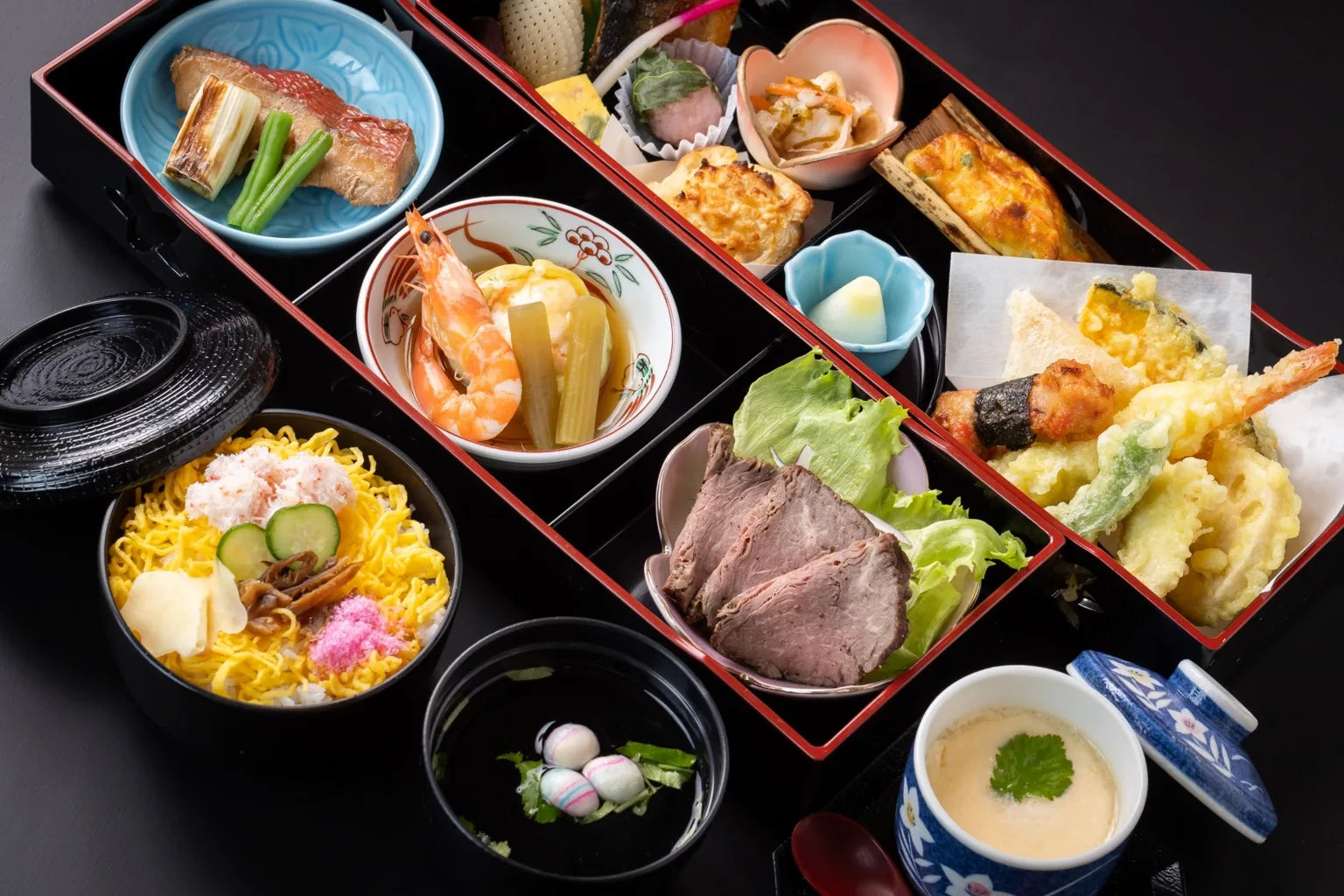
Dashi (broth), rice, tea, coffee. The deliciousness of Japanese cuisine isn't just supported by its ingredients. In fact, "water" is also a crucial element that influences the taste. By understandi...
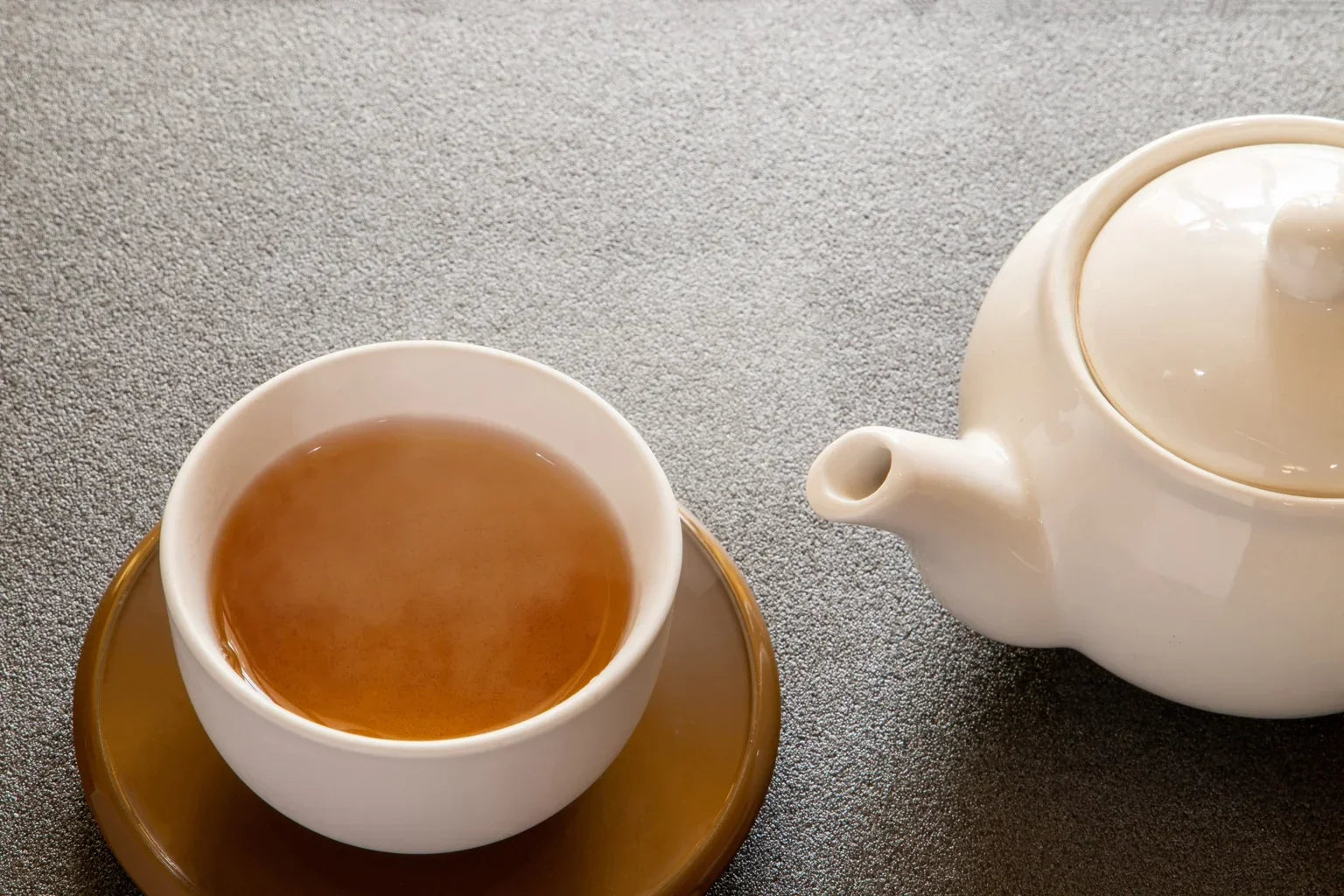
The Reason Hojicha Aromas Differ: It's Not the Tea Leaves, It's the Water
Even though it's the same houjicha, the aroma and sweetness are different. The reason for this might not be the tea leaves, but the water. We'll introduce the relationship between houjicha and soft...
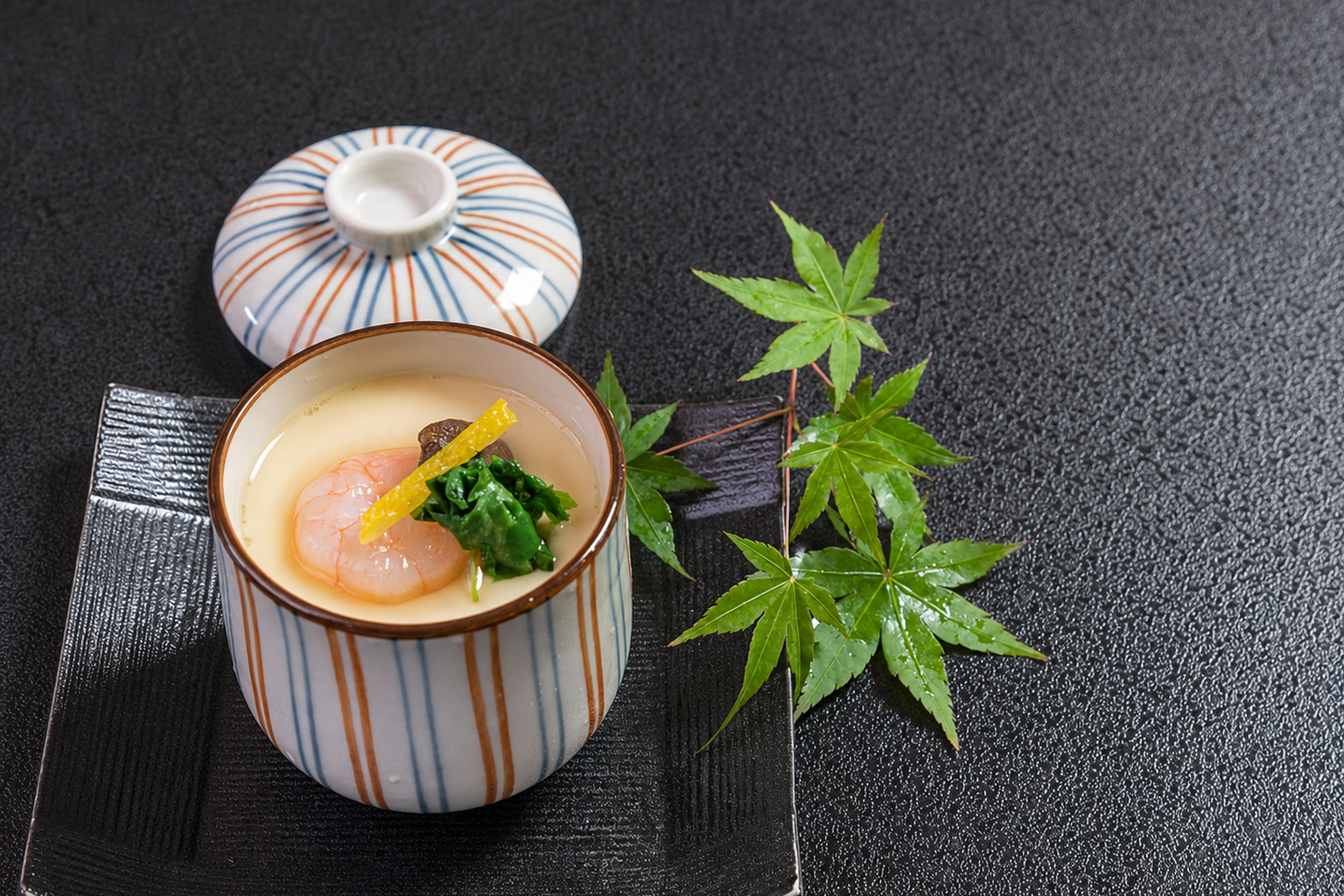
Even with the same eggs and the same dashi, the taste of chawanmushi can differ. The reason might be the water. We'll explore the relationship between Japanese cuisine and soft water, and tips for ...
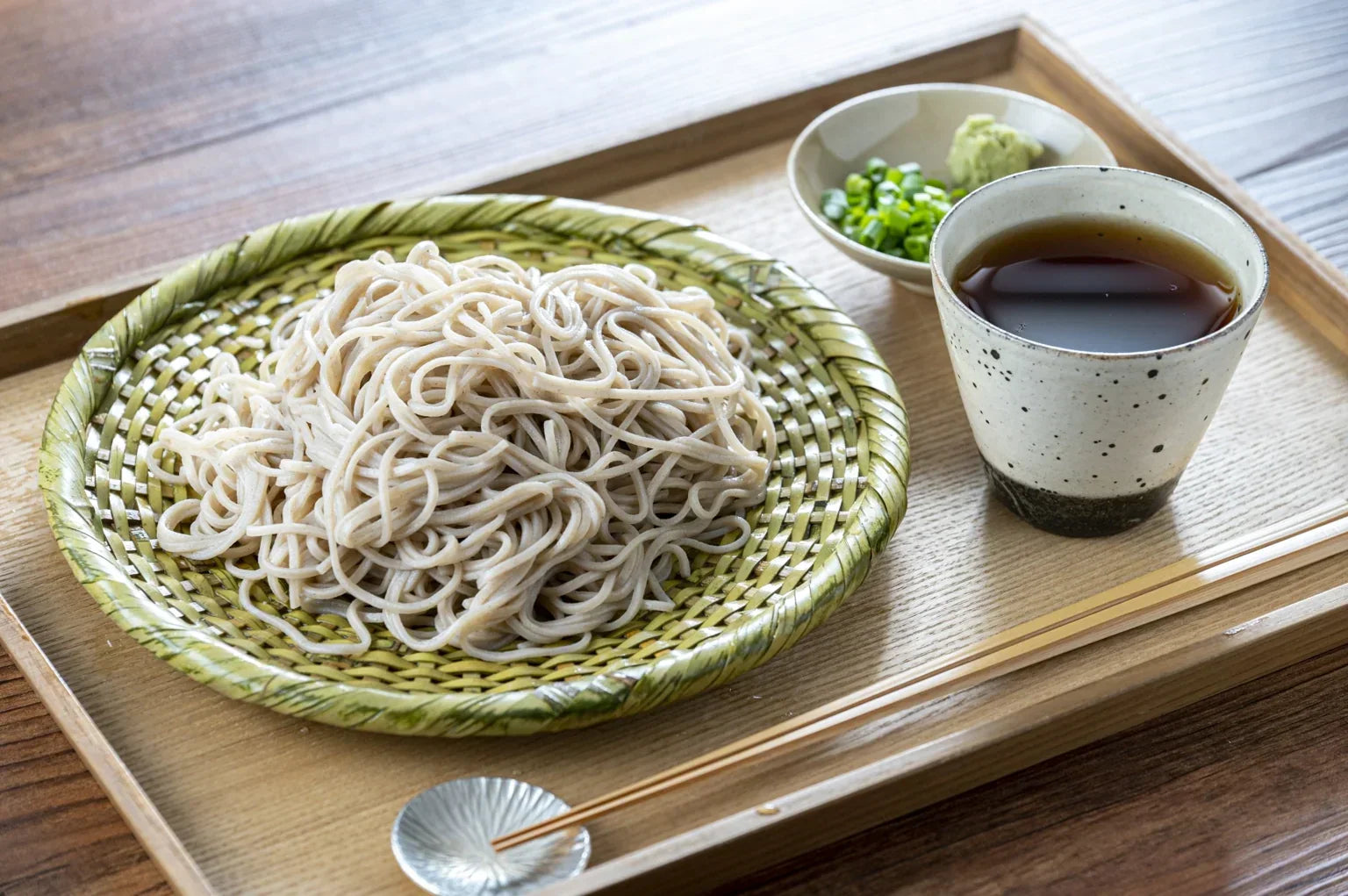
Why Soba Dipping Sauce Tastes Different in Thailand: It's Not the Soy Sauce, It's the "Water"
When you make soba or mentsuyu in Thailand, do you ever feel like the taste isn't quite the same as what you're used to in Japan? The reason might not be the soy sauce or dashi, but the water. This...
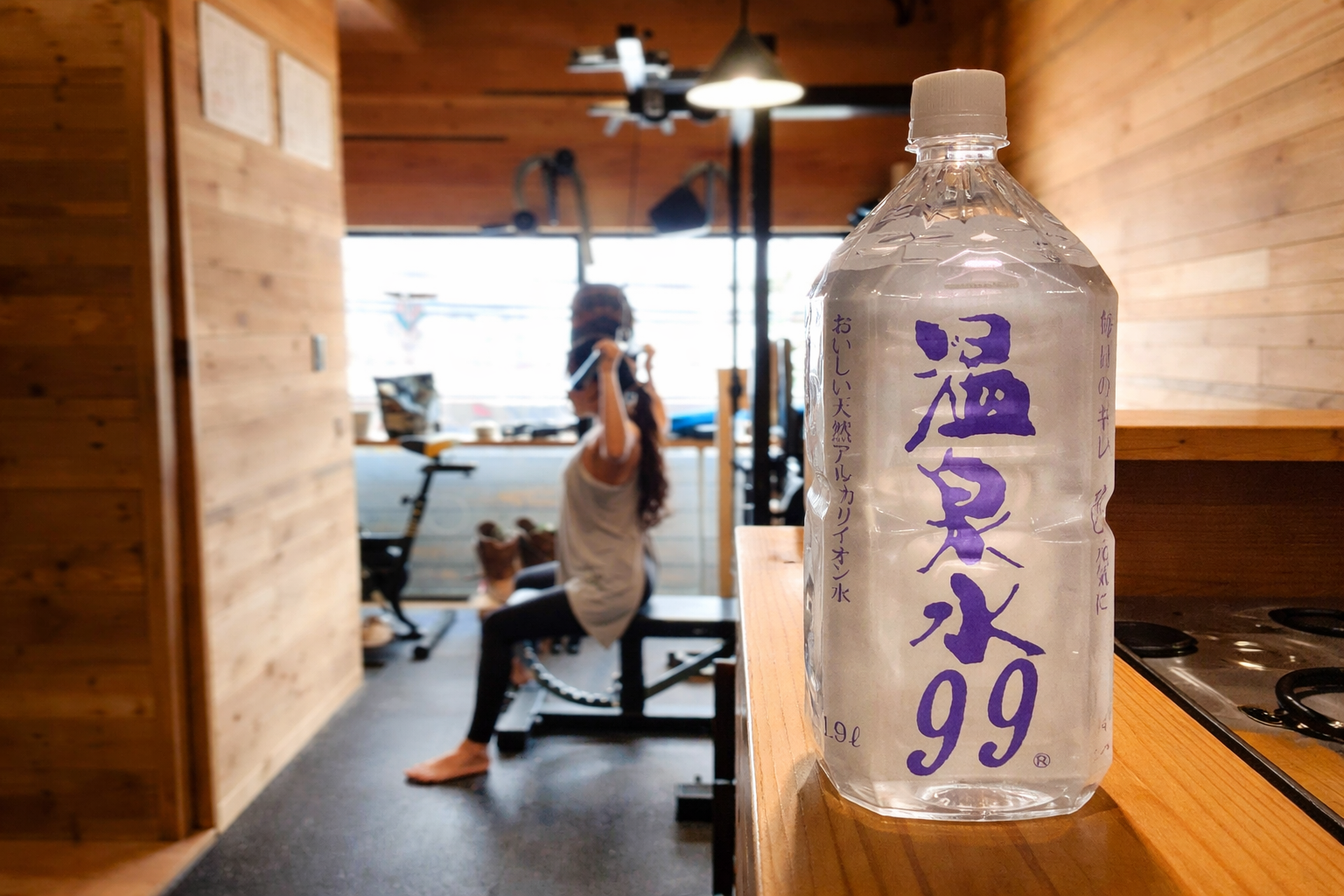
What is the best water to rehydrate after sports? |Effects of super soft water and alkalinity
When it comes to hydrating after exercise, it's not just water, but the type of water you choose that makes a difference in your physical condition and recovery.In this article, we will explain the...