
journal
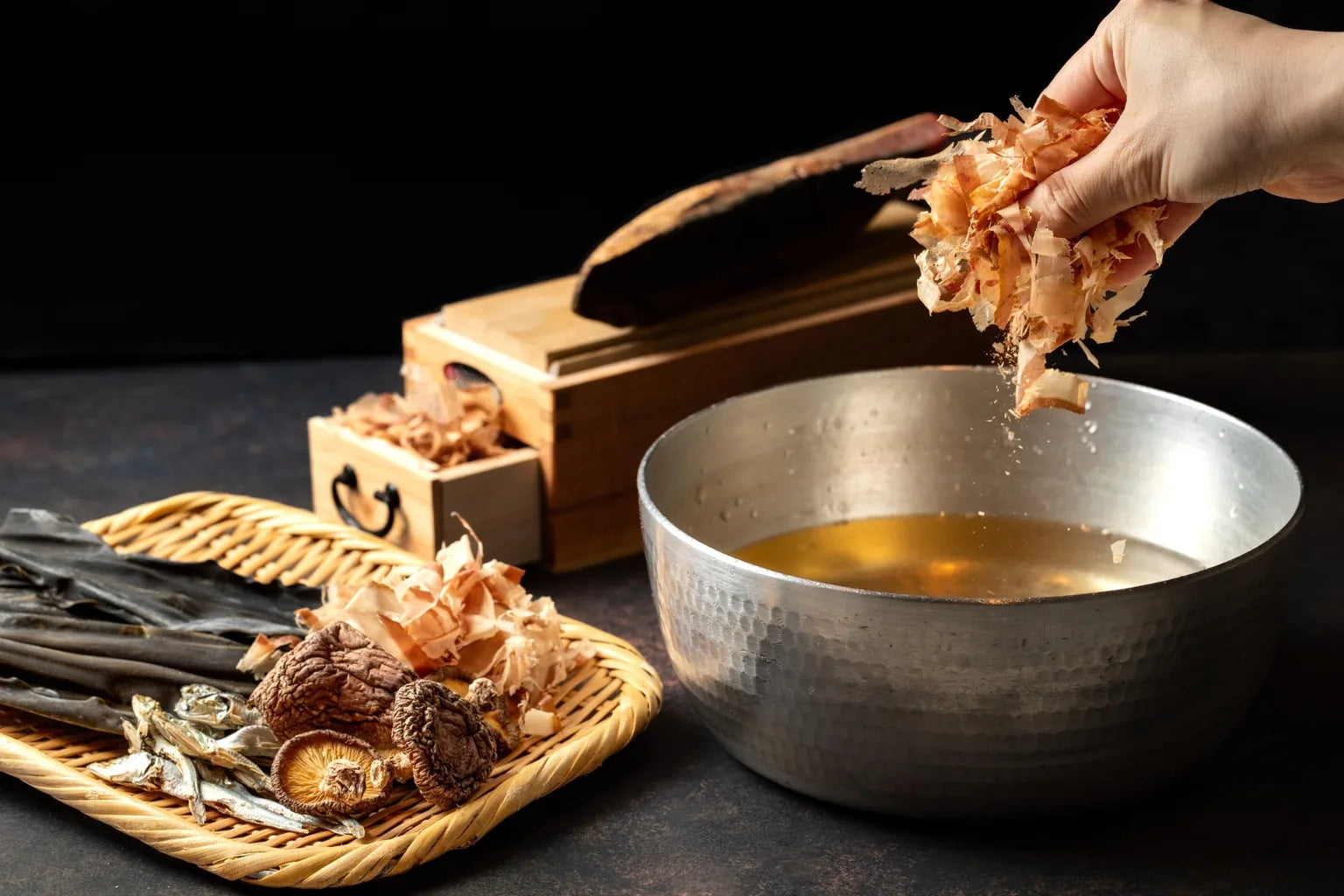
Why Dashi Tastes Different in Thailand: It's Actually the Water, Not the Kombu or Bonito Flakes
Kombu and bonito flakes aren't the only ingredients that determine the taste of dashi. We'll explain why Japanese food tastes different in Thailand and the effect of soft water on dashi.
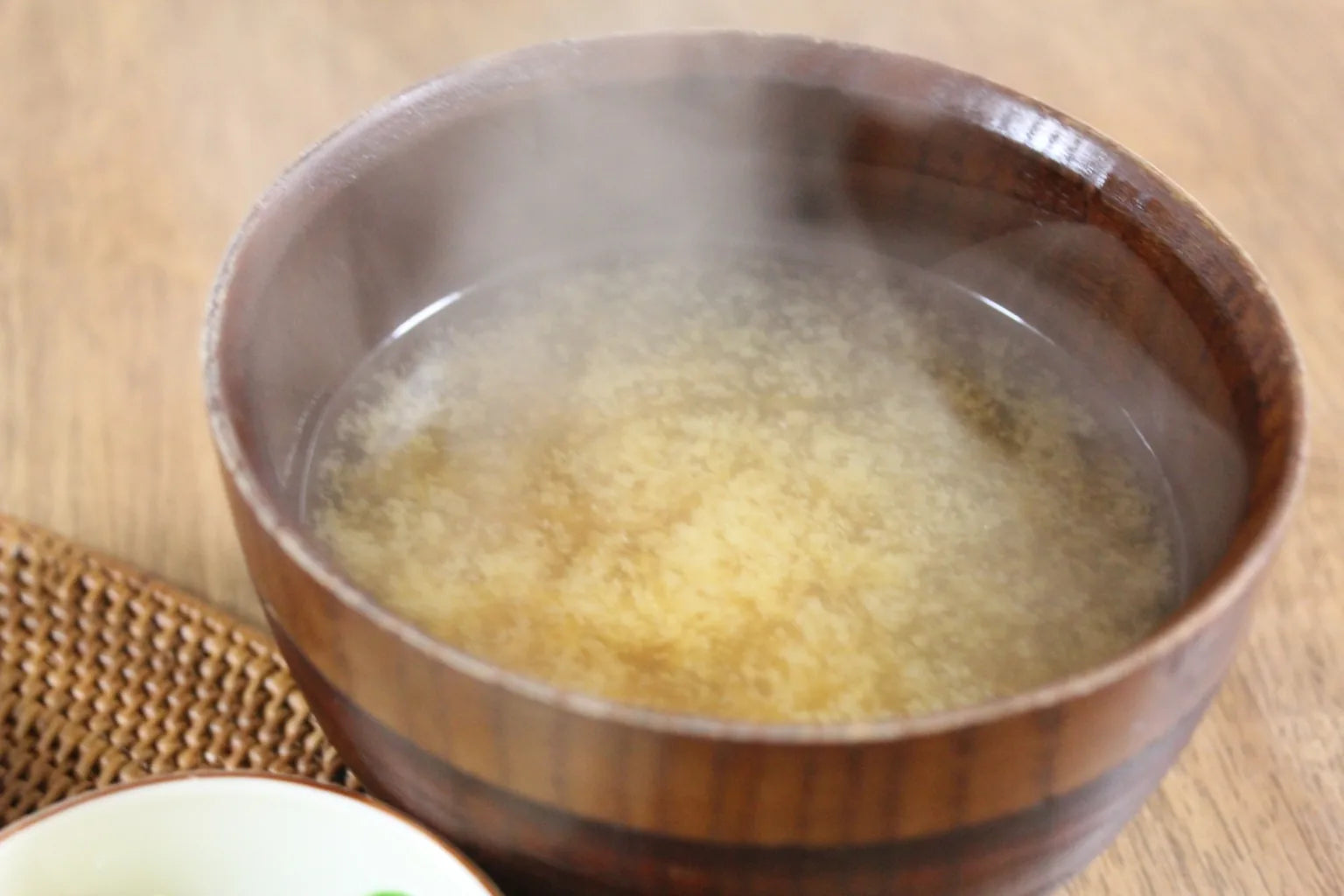
Not just rice. The reason why miso soup made with Onsen-sui 99 is delicious.
The taste of miso soup is determined not only by the miso and dashi. In fact, water is also a crucial element. Let's explore the relationship between Japanese cuisine and Onsen-sui 99, an ultra-sof...
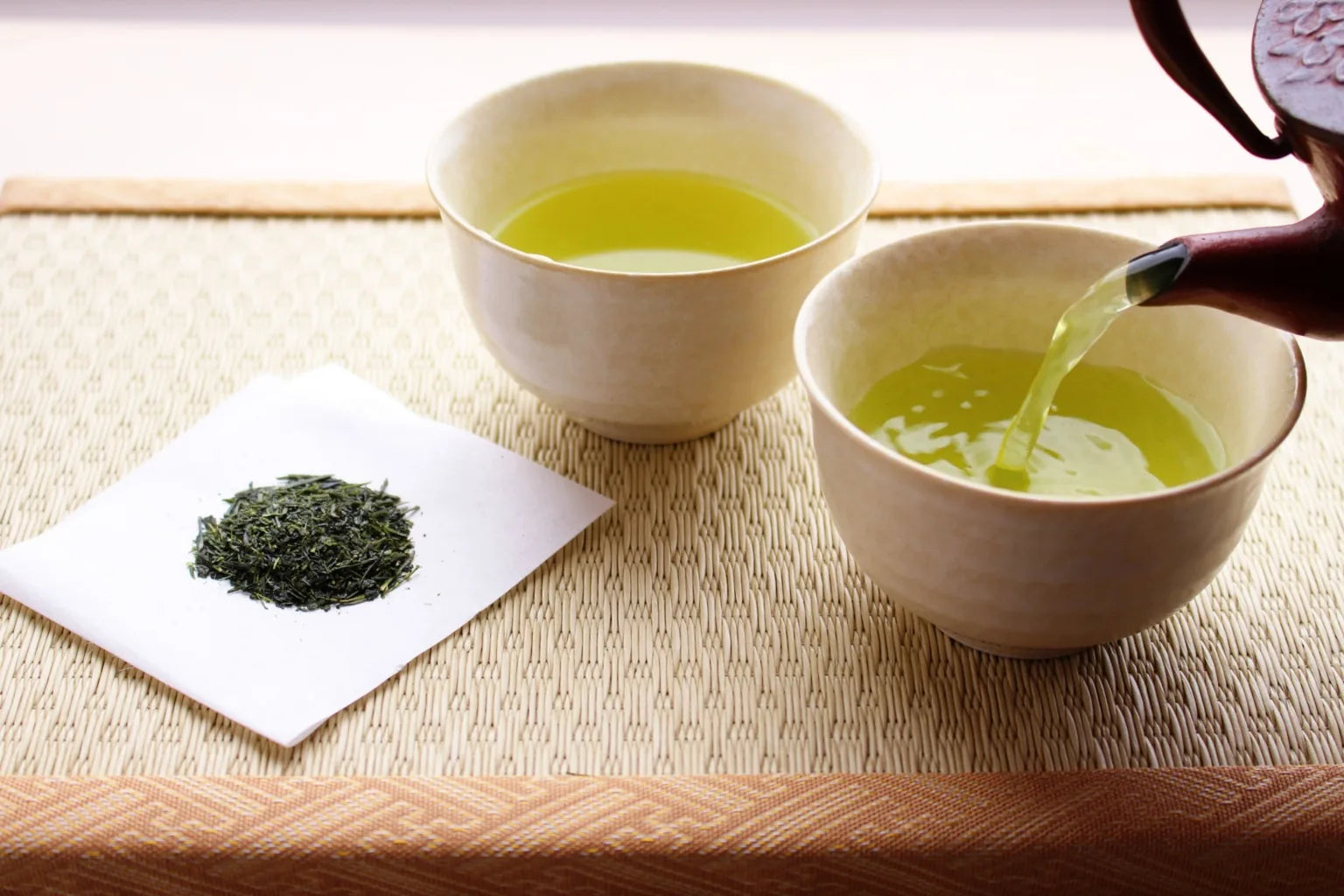
Why Japanese Tea Doesn't Taste Good in Thailand | It's Actually the Water, Not the Tea Leaves
The taste of Japanese tea isn't solely determined by the tea leaves. We'll explain the difference in water between Thailand and Japan, and how super-soft water affects the umami and aroma of Japane...
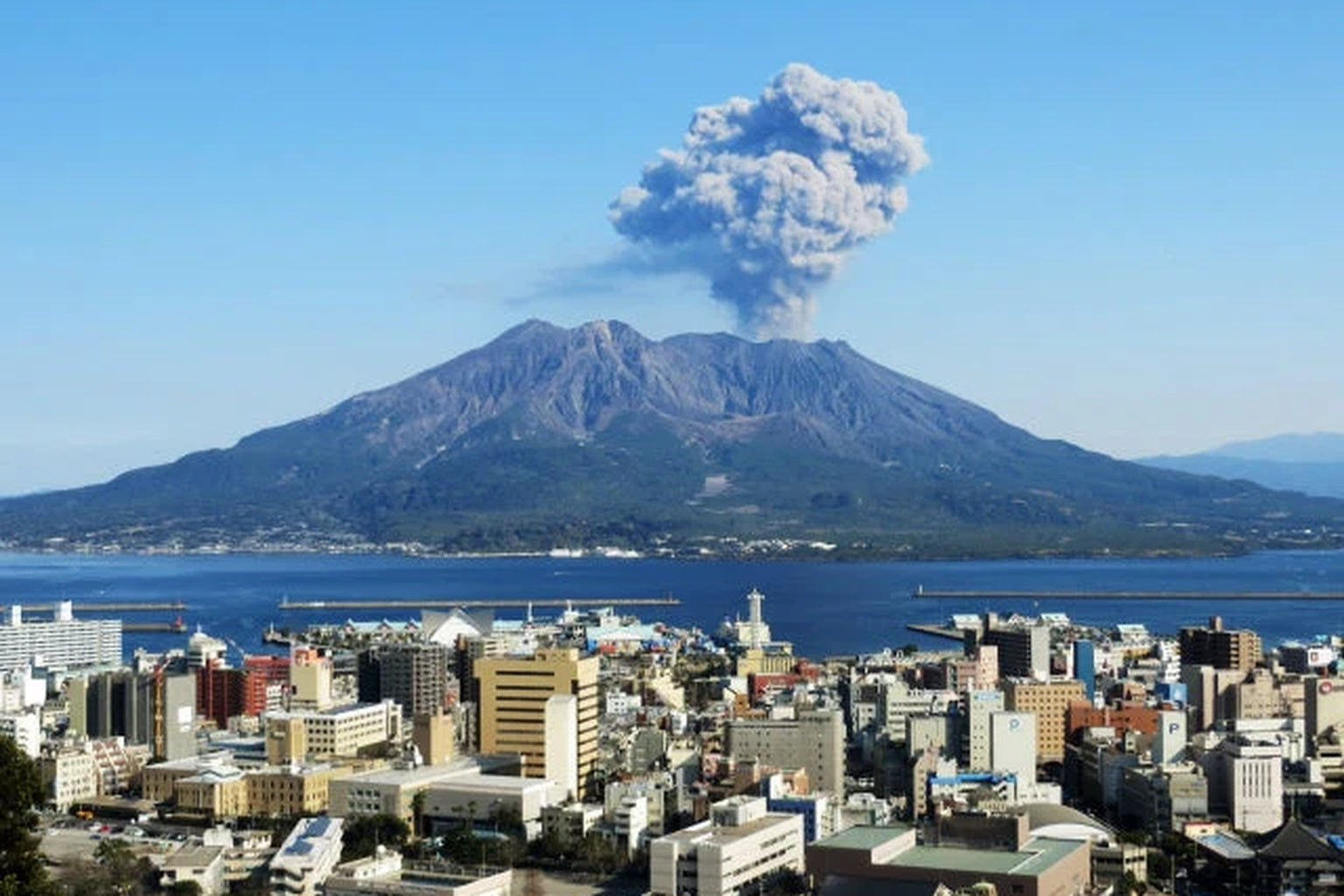
Kagoshima City is home to both volcanoes and spring water. Along with the majestic sight of Sakurajima, take a journey to trace the "healing nature" that lies at the origin of Hot Spring Water 99.
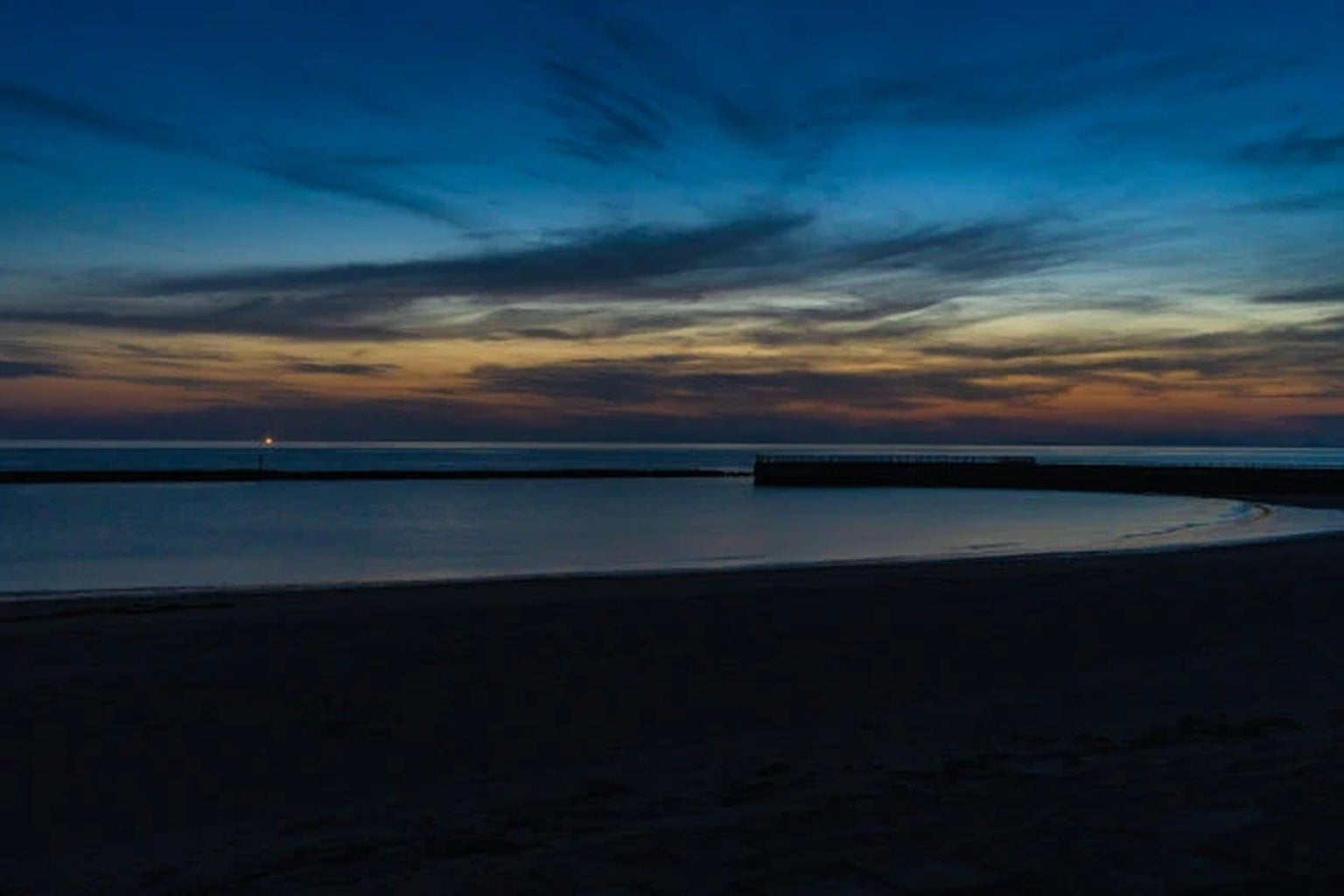
Hioki City, the village of hot springs and pottery. We will deliver the quiet healing of Southern Satsuma, created by fire, water, and people's prayers, along with the philosophy of 99 hot spring w...
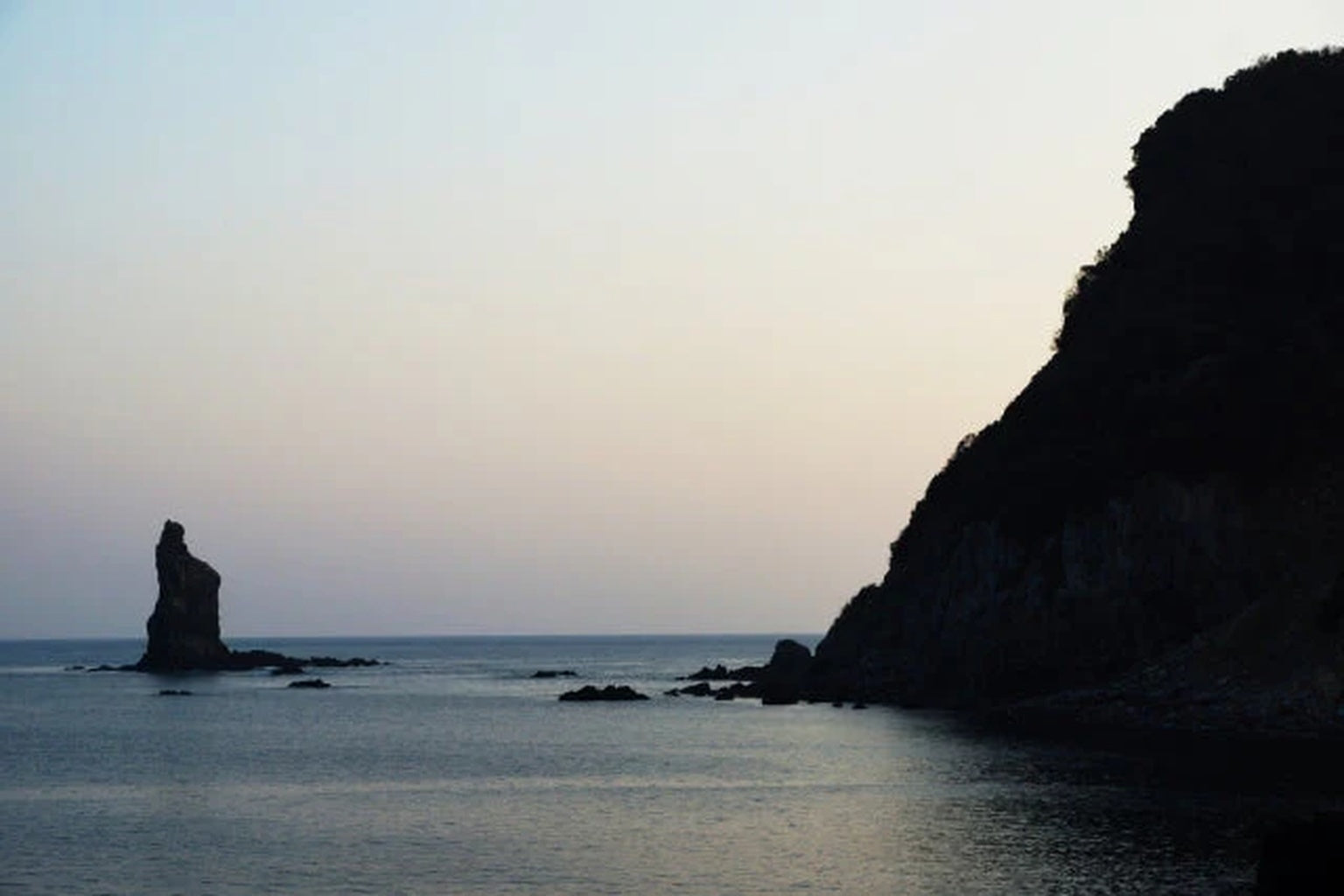
Fire, sea, and prayer. We will unravel the coexistence with nature that the people of Makurazaki cherished, along with 99 hot spring water philosophies.
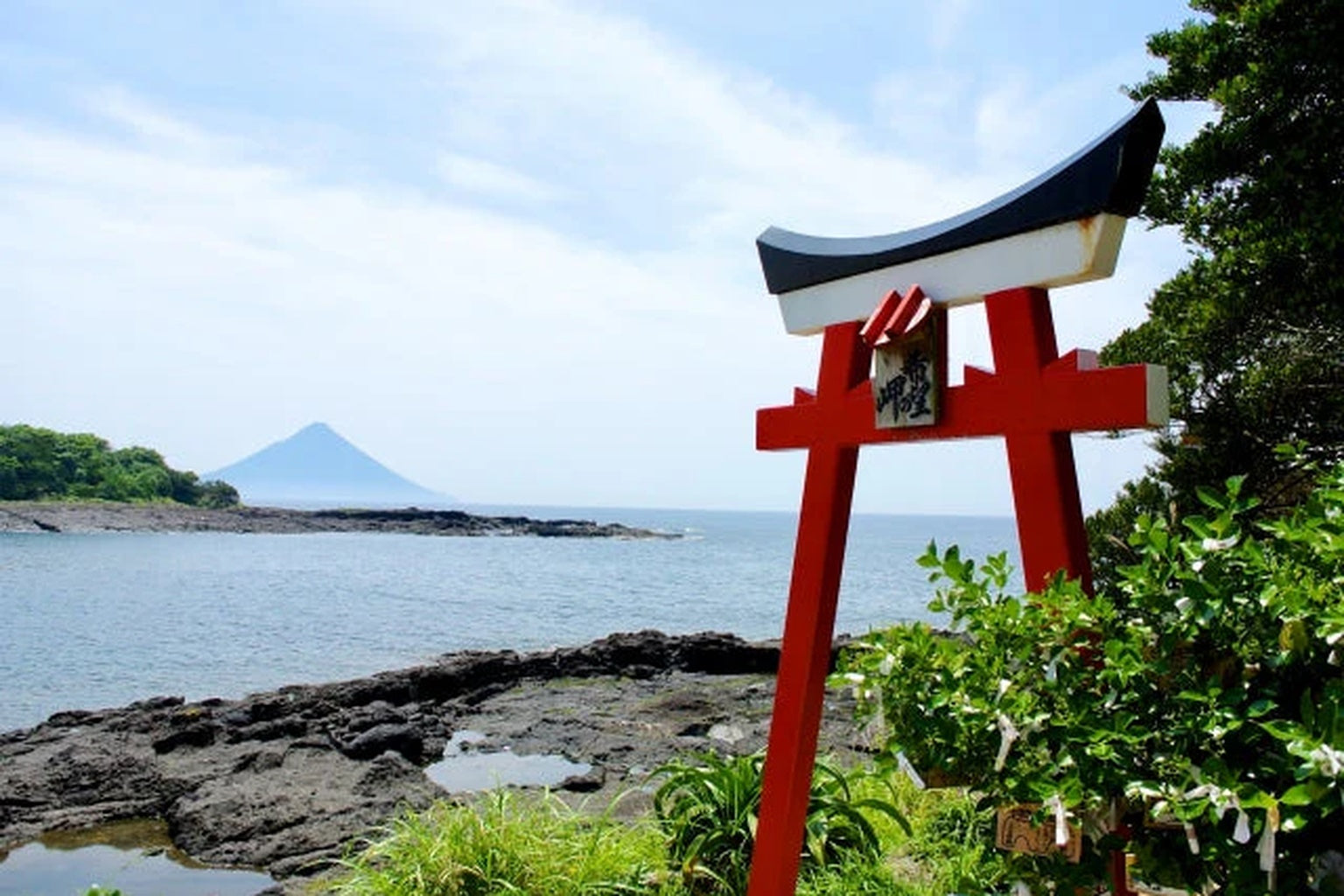
Minamisatsuma, where the sea, wind, and prayer meet. The story of the "quiet rebirth" surrounding Cape Noma, Fukiage Beach, and Mt. Kinpu, along with the worldview of Hot Spring Water 99.
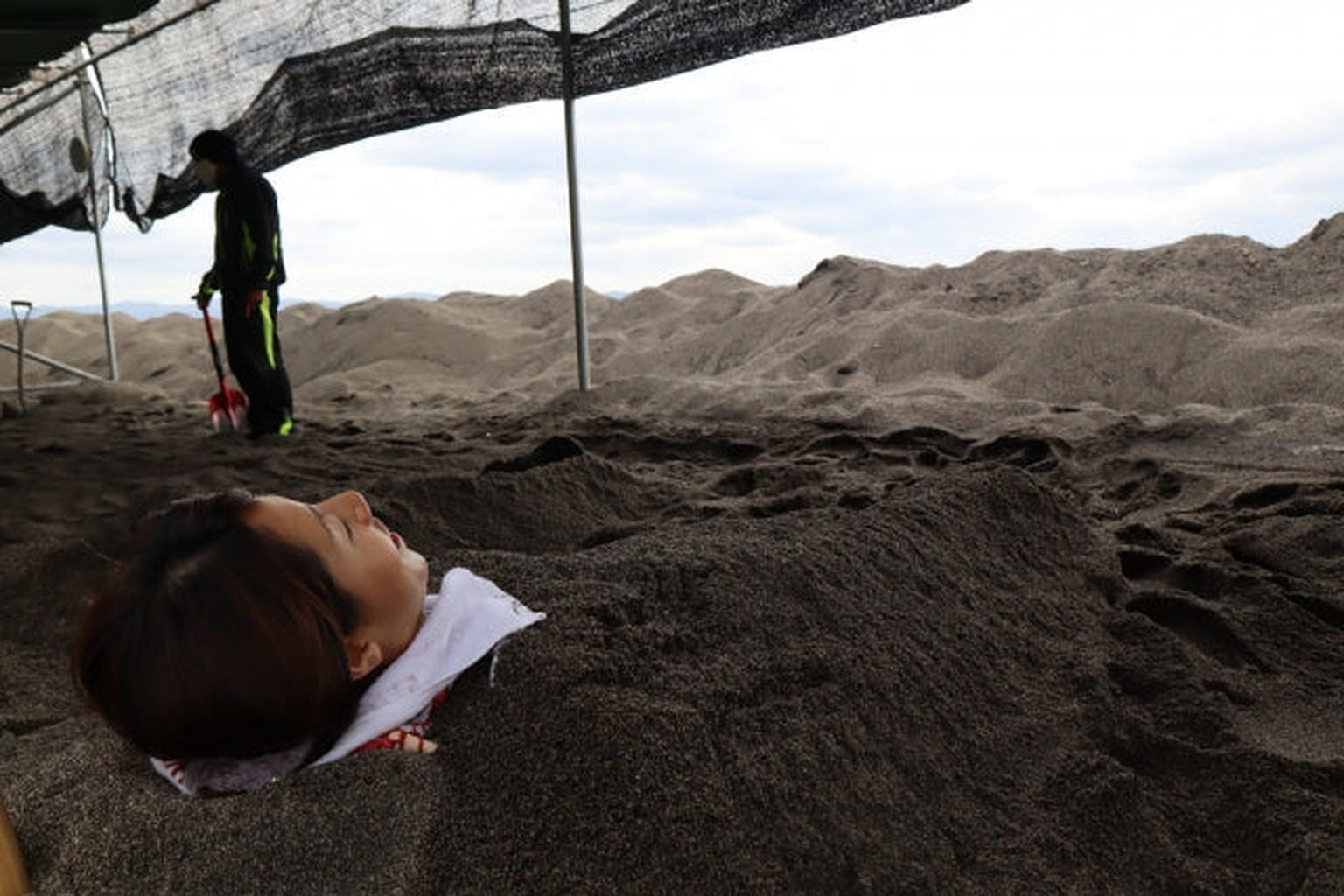
Ibusuki is a town surrounded by steam and sand. A time of rebirth woven together by hot springs, nature, and prayer, along with the worldview of Onsen Water 99.
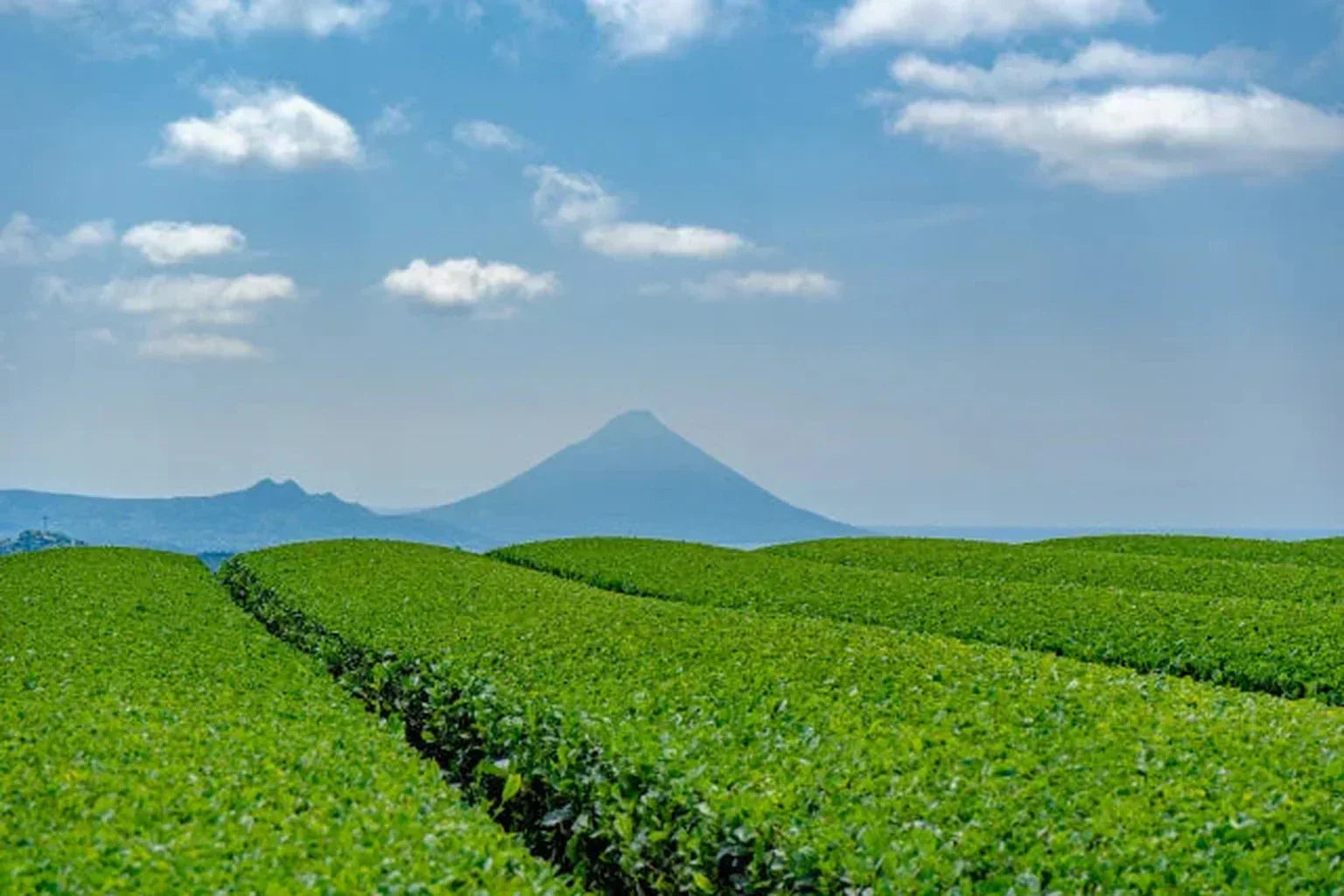
Minamikyushu City, the city of tea and prayer. Chiran tea plantation, Peace Hall, Mt. Kaimondake. The thoughts of Hot Spring Water 99 overlap in this place where healing and prayer blend together.
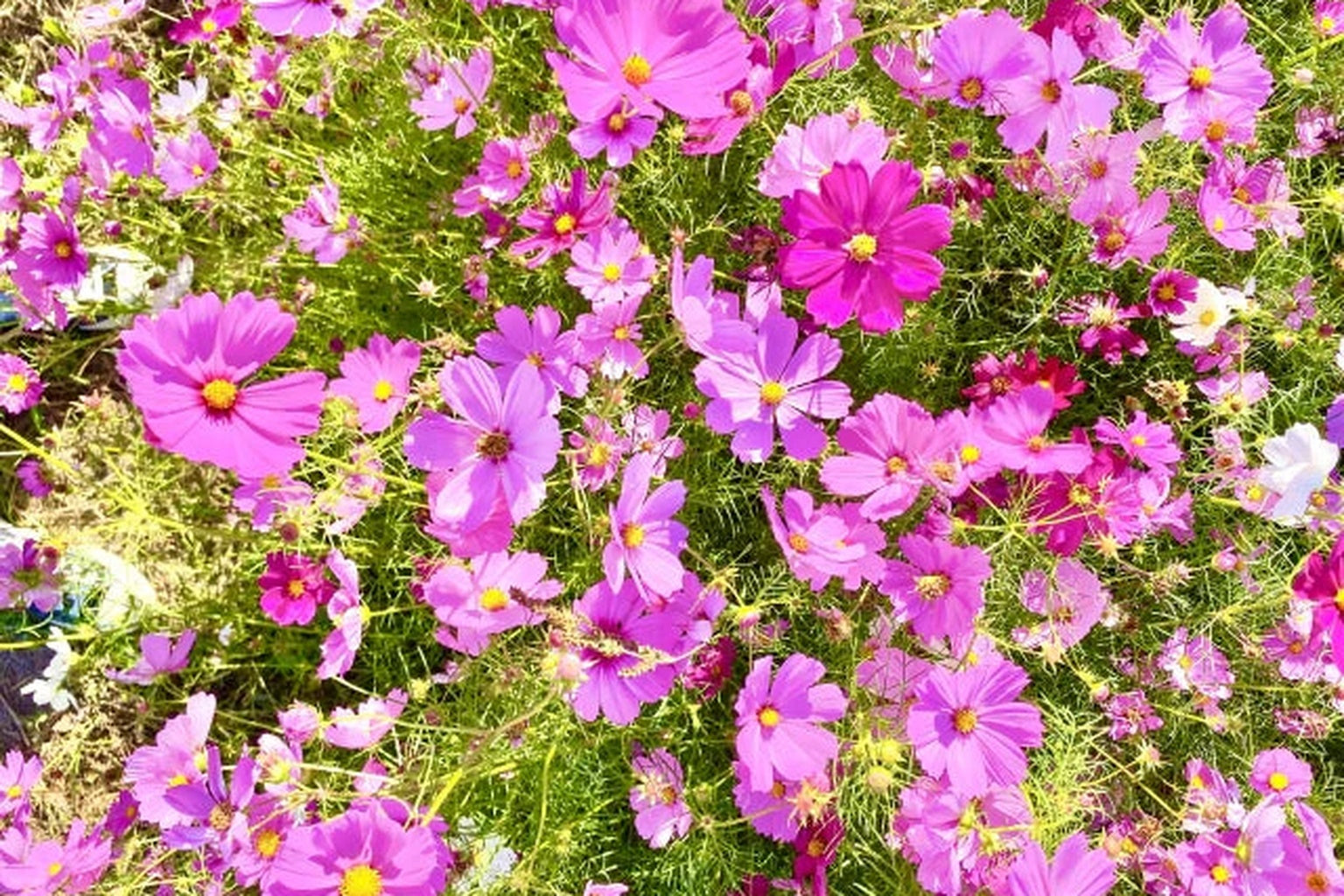
Osaki Town in Kagoshima Prefecture is an environmental model city that boasts the highest recycling rate in Japan.Surrounded by the sea and forests, this town is a "circular town" where people and ...