Does Matcha Dissolve in Water? The Right Way to Drink It and How to Choose Water to Bring Out Its Flavor

Does Matcha Dissolve in Water? The Conclusion First
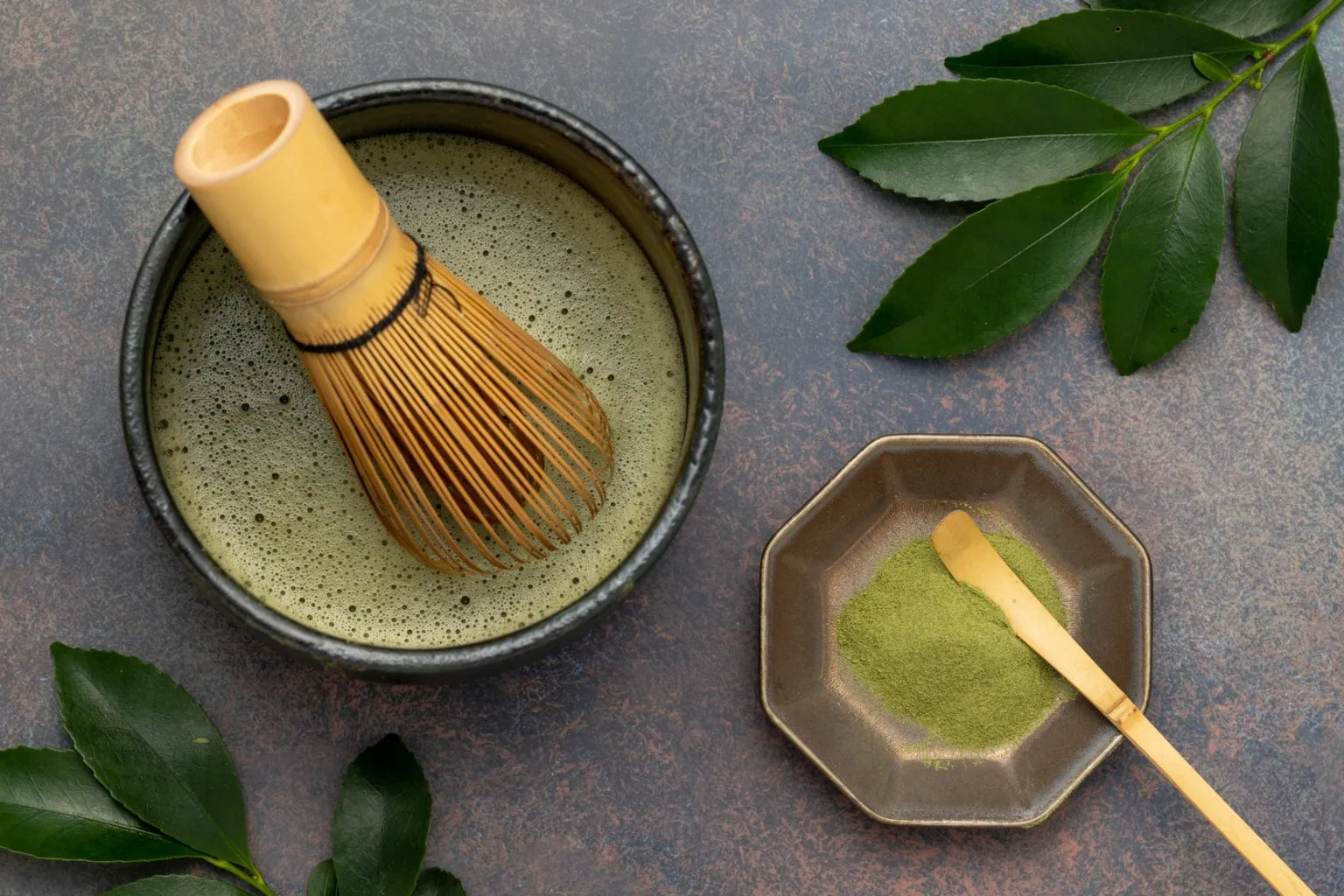
Many people wonder, "Does matcha dissolve in water?" The answer is that matcha does not fully dissolve; it disperses finely in the water. Therefore, the properties of the water can significantly affect its texture and flavor.
If you find it clumpy or difficult to drink, the choice of water or mixing method is often the cause.
Why Matcha Doesn't Dissolve Easily
Matcha is made from finely ground tea leaves, but it does not dissolve in water like sugar or salt. Therefore, when added to water, it doesn't dissolve but rather remains as suspended particles.
Additionally, because matcha particles are very fine, they have characteristics such as: ・Not easily blending with water ・Tending to form clumps
What becomes important here is the "nature of the water."

Does Water Make a Difference in Taste? Soft vs. Hard Water
One of the major factors influencing matcha's taste is water hardness.
Generally, hard water contains many minerals such as calcium and magnesium, resulting in a slightly heavier mouthfeel. On the other hand, soft water has fewer minerals and is characterized by a light, smooth mouthfeel.
For matcha, many tend to find that soft water: ・Reduces bitterness and astringency ・Results in a mellower flavor
Conversely, hard water can lead to an overly strong flavor or a heavy mouthfeel.

Tips for Delicious Matcha
There are several tips for enjoying delicious matcha.
First, water at room temperature or lukewarm is recommended. If it's too cold, it will be difficult to mix and may cause clumps. Next, mix with a small amount of water first to create a paste, then add more water to achieve a smooth consistency.
And most importantly, consider the water's mouthfeel. Using smooth water allows you to enjoy matcha's authentic flavor more naturally.

How to Incorporate into Daily Life
Recently, more people are enjoying matcha easily at home. It's a drink that can be easily incorporated into your life, whether as a morning cup or for relaxation time.
While arrangements with sparkling water or milk are also popular, you can best experience matcha's true flavor by enjoying it simply with water first.
Considering the Compatibility of Matcha and Water
If you want to enjoy matcha more deliciously, the softness of the water is a significant factor.
For example, Onsensui 99, natural spring water from Tarumizu Onsen in Kagoshima Prefecture, is ultra-soft water with a hardness of 1.7, characterized by a remarkably smooth mouthfeel. Despite being alkaline with a pH of 9.9, it's known as easy-to-drink water with little peculiar taste.
Such soft water enhances the flavor of matcha and provides a lighter mouthfeel, making it a suitable choice for those who want to enjoy the true taste of the ingredients.
Summary
Matcha does not completely dissolve in water but disperses finely. Therefore, the type of water significantly changes its taste and drinkability.
In particular, choosing soft water with a smooth mouthfeel allows you to enjoy matcha's natural, gentle flavor even more. Since it's a daily cup, paying a little attention to the water might lead you to discover new tastes.
You might also like these articles
・What is Water Hardness? Explaining the Difference Between Soft and Hard Water
・What is Onsensui 99? Features of Natural Water from Tarumizu, Kagoshima
・Comparison of Mineral Waters Available in Thailand