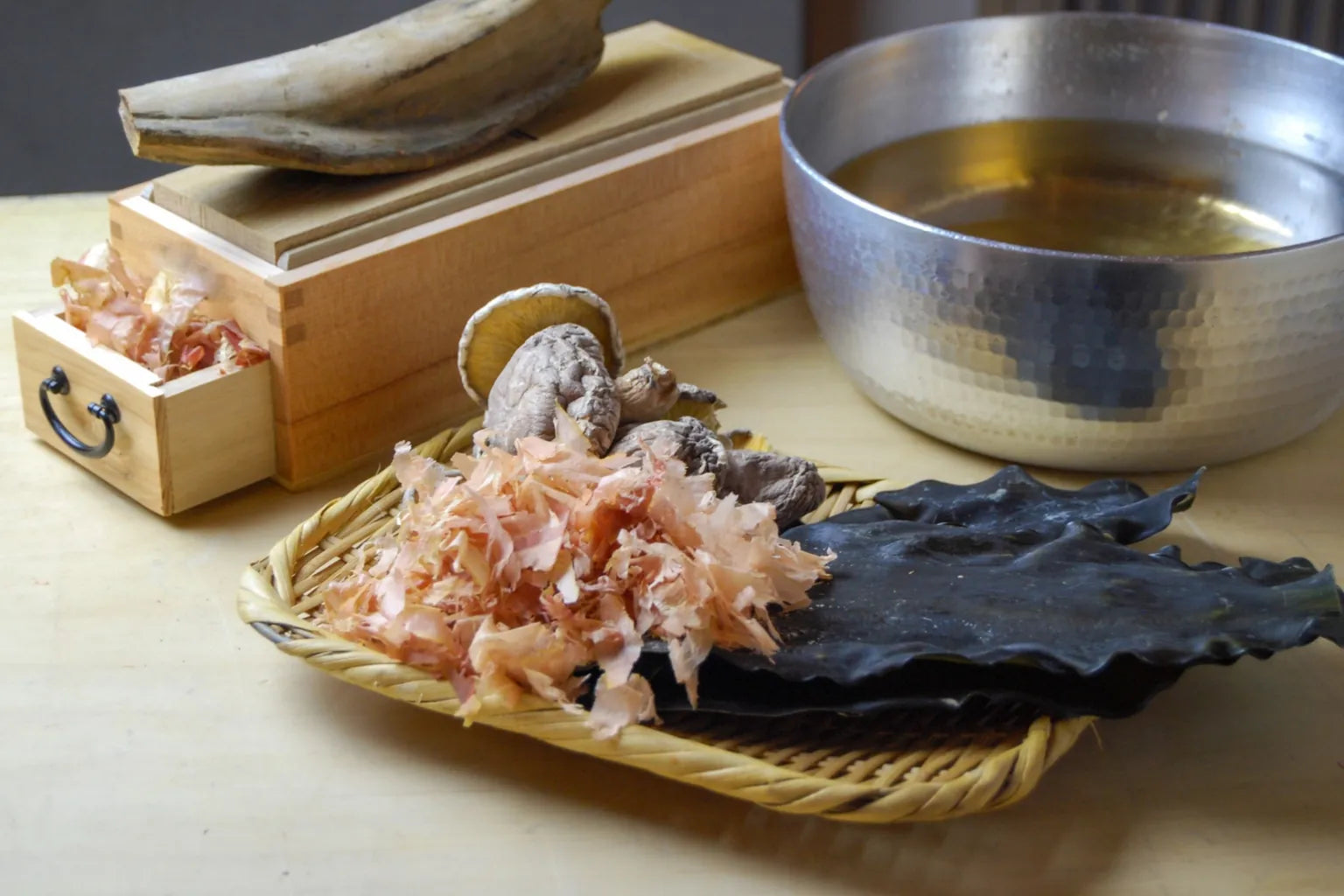
Can water make such a difference? The Impact of Water on Coffee, Tea, Rice, and Dashi – And How to Choose the Right Water

Can Water Really Make Such a Difference? The Answer Explained
"Does water affect the taste?"
👉 Answer: Yes, it does.
Coffee, green tea, rice, dashi.
These are all everyday items, but
👉 simply changing the "water" can significantly change the experience.
In particular,
👉 soft water tends to bring out the flavor of ingredients more easily.
This is often said.

Why does water change the taste?
The reason is simple.
👉 Most food and drink are composed of water.
That's why.
For example 👇
- Coffee: Over 98% water
- Dashi: Almost entirely water
- Rice: Absorbs water during cooking
- Tea: Extracted with water
👉In other words, water is the "very base of the flavor."

Two Factors Determining Water Differences
■ Hardness (mineral content)
- Higher → Flavor tends to be stronger
- Lower → Clearer, milder taste
■ Water properties
👉 Affects how ingredients dissolve (extraction)
👉This creates differences in taste.
Soft Water vs. Hard Water | How Does the Taste Change?
■ Hard Water vs. Soft Water
- Hard water: Tends to bring out richness and bitterness
- Soft water: Tends to bring out umami and sweetness
👉This is why soft water is said to be suitable for Japanese cuisine.
■ By Scene | How Water Changes Things
This is where it gets important 👇

Coffee × Water
👉 Changes clarity and aroma
- Soft water: Clean and well-balanced
- Hard water: Tends to bring out bitterness and heaviness
👉→ For details, click here (to the coffee article)

Green Tea × Water
👉 Changes umami (theanine)
- Soft water: Mellow, sweet
- Hard water: Tends to bring out astringency
👉→ For details, click here (to the green tea article)

Rice × Water
👉 Changes texture and sweetness
- Soft water: Fluffy, soft
- Hard water: Slightly firm, dry
👉→ For details, click here (to the rice article)

Dashi × Water
👉 Changes umami and clarity
- Soft water: Brings out umami
- Hard water: Tends to bring out杂味 (unpleasant flavors)
👉→ For details, click here (to the dashi article)
Why is ultra-soft water chosen?
Of particular note is
👉 ultra-soft water (water with very low hardness)
.
Characteristics 👇
- Doesn't interfere with ingredient flavors
- Draws out ingredients' natural properties
- Smooth on the palate
👉It can be said to be suitable as "water that can be used for everything."
.

What happens when you actually try it?
Simply changing the water can lead to
👉 The following changes may be noticed:
- The taste becomes mellow
- The aroma is enhanced
- Meal satisfaction increases
👉No special skills are required.
Using water like Onsensui 99
For example,
👉 Onsensui 99 (ultra-soft water with a hardness of 1.7)
is water that
- Doesn't interfere with taste
- Enhances ingredients
- Easy for daily use
👉It is suitable as "water that can be used for everything."

Summary | Changing water changes daily life
From now on,
👉 It's not just about "what to choose,"
👉 but "what to make it with."
becomes important.
Even with the same ingredients,
👉 The experience changes with water
👉Changing water means changing the quality of your daily life.
.
👉First, try changing your usual water.
You'll surely notice the difference.
## Related Articles | Read more by theme
First,
👉 Please understand the basics in "What is water hardness? The difference between soft and hard water."
After that, please also see the differences for each theme.
・👉 "Does coffee change with water? How to choose water for delicious brewing"
・👉 "Does green tea change with water? The difference in water that brings out the umami of theanine"
・👉 "Does rice change with water? The reason for fluffy cooked rice"
・👉 "Does dashi change with water? How to choose water that brings out umami"