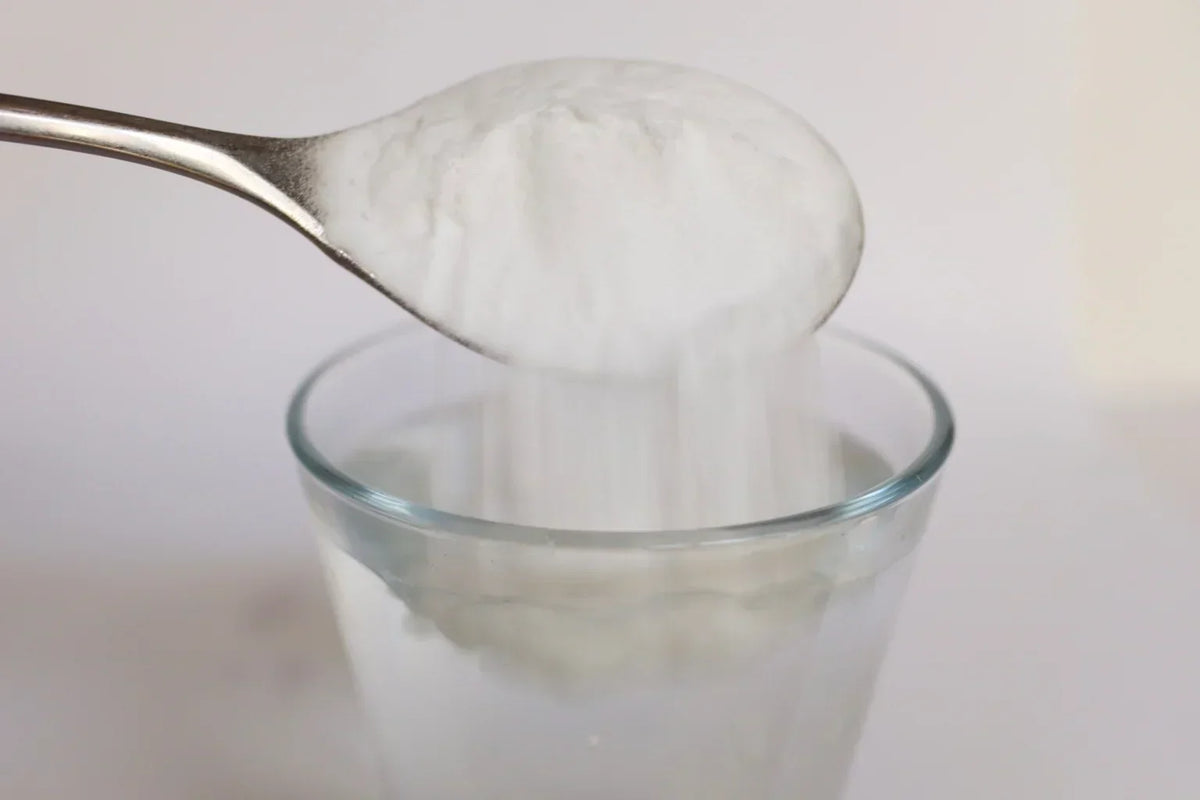
Soft or Hard Water for Protein? Differences in Water Hardness and Drinkability
When mixing protein with water,
have you ever wondered, “Should I use soft or hard water?”
The bottom line is thatthere is no rule that you must use soft water or hard water with protein.
However, water hardness affects the taste and mouthfeel of the water.
Therefore, even with the same protein, changing the water you use can alter the taste and how easy it is to drink.
If you drink protein every day, why not pay attention not only to the type of protein but also to **“what water you use to make it”**?
In this article, we will clearly introduce the differences between soft and hard water, how to choose water for making protein, and the features of ONSENSUI99, an ultra-soft water with a hardness of 1.7 mg/L.

Soft or hard water: which is better for protein?
First, the bottom line.
There is no single right answer.
When mixing protein with water, the taste and mouthfeel of the water itself vary depending on the minerals and hardness of the water.
Therefore, you can choose based on your preferences:
If you prefer a clean taste and water with little distinctive character
→ Try soft water
If you like water with a distinct mineral taste
→ Try hard water
.
Ultimately, it is important to choose based on the type and flavor of protein, as well as your own preferences.
What is the difference between soft and hard water?
Water “hardness” is an indicator that mainly represents the amount of calcium and magnesium in the water.
Generally speaking,
Soft water
- Relatively low in calcium and magnesium
- Soft mouthfeel
- Less noticeable mineral-derived distinctive character
Hard water
- Relatively high in calcium and magnesium
- May have a noticeable mineral taste
- May have a more distinct flavor
These are some of the differences.
Rather than one being superior, it is easier to understand if you think of it aseach water having its own unique character.
▶ Related article:What is the difference between soft and hard water? How to choose water that is easy to drink and suits Japanese people

Does changing the water change the taste of the protein?
The biggest factor determining the taste of protein is, of course, the protein itself.
However, when mixing it with water, the taste of the water you use also becomes part of the final drink.
In particular, because different water hardness levels also result in different mineral content and mouthfeel, the same protein may taste different.
For example,
Soft water
→ The water itself has relatively little mineral character, making it easier to taste the protein flavor
Hard water
→ The water itself adds mineral character, which may change the mouthfeel and aftertaste
.
However, taste preferences vary from person to person.
It does not mean that “soft water is always best for protein.”
It may also be interesting to make the same protein with both soft and hard water and actually compare the taste.
Is protein harder to dissolve in hard water?
You may see information stating that “protein does not dissolve well in hard water.”
However, how well protein mixes isnot determined by water hardness alone.
For example,
- The type of protein and product design
- The amount of powder
- The amount of water
- The water temperature
- The shape of the shaker
- The time and method of shaking
Various other conditions are also involved.
Therefore, you should avoid thinking simply that
“It won’t dissolve because it’s hard water”
or “It dissolves well because it’s soft water.”
It is recommended that when choosing water, you first pay attention todifferences in taste and mouthfeelrather than how easily it dissolves.

If your protein feels powdery, also check the “amount of water”
If you feel that your protein is
“powdery,”
“too concentrated,”
or “hard to drink,”
check how you make it before changing the type of water.
First, use the amount of water listed on the product packaging as a guide.
If there is too little water, it will be concentrated; adding more water will make it taste relatively lighter.
It is also worth trying the order in which you add ingredients to the shaker.
Generally, the following method is easy:
① Add water
② Add protein powder
③ Shake thoroughly
.
If the protein manufacturer specifies a preparation method, follow that method.
Cold water or room-temperature water: which is better?
This also depends on your preference.
Cold water
This is suitable for those who want to drink it refreshing after exercise.
Cooling the water may also change how you perceive its sweetness and the taste of the water itself.
Room-temperature water
This makes it easier to compare the taste of the water and the protein itself.
When comparing “which water suits protein,” it will be easier to compare the differences if you use the same temperature, protein, and amount of water.
The important thing is not “whether cold or room-temperature water is better for your body,” butchoosing the temperature that is easiest for you to drink.
If you make protein in Thailand, pay attention to the water too
Various brands of bottled water and mineral water are sold in Thailand.
Because their water sources, production methods, and mineral balances differ, their hardness and taste are not the same.
Even if you do not usually pay attention to the differences in water, you may notice differences when using it for protein, such as
“It feels lighter than usual,”
“It has a slight mineral taste,”
or “This water suits this flavor better.”
You may begin to notice these differences for yourself.
If you drink protein every day in Thailand, you may make a new discovery bychecking the water hardness as well as the protein brand.
What are the benefits of making protein with water?
You can make protein with milk or plant-based milk, but making it with water is simple.
Because water itself does not contain fats or proteins like milk, it is easy to drink without significantly changing the nutritional design of the protein product.
Also,
- It is easy to take to the gym
- It is easy to make on the go
- It is easy to compare the original flavor of the protein
- There is no need to prepare milk
It is also convenient for everyday use.
On the other hand, milk has its own unique nutrition and richness.
Choose according to your purpose and preferences.
▶ Related article:Protein: Water or Milk? An Easy-to-Understand Explanation of the Differences and How to Choose
ONSENSUI99 is ultra-soft water with a hardness of 1.7 mg/L
ONSENSUI99 (Onsensui 99) is natural alkaline spring water collected in Tarumizu City, Kagoshima Prefecture, Japan.
One of its major features is itsextremely low hardness of 1.7 mg/L.
- Ultra-soft water with a hardness of 1.7 mg/L
- Natural alkalinity of pH 9.5–9.9
- Soft, smooth mouthfeel
- Less noticeable mineral-derived distinctive character
- Easy to drink at room temperature
These are some of its features.
When considering its combination with protein, the focus should be onthe taste and mouthfeel unique to ultra-soft water with a hardness of 1.7 mg/L, rather than the pH.
Because the water itself has little mineral character,
it is a water you may want to try if you want to “enjoy the flavor of the protein itself.”
However,
It does not mean that “ultra-soft water improves protein absorption,”
“alkaline water is better after exercise,”
or “protein dissolves more easily because the hardness is 1.7.”
It is simply one of the options from the perspective of the taste and mouthfeel of the water itself.
▶ Related article:Why is Onsensui 99 Easy to Drink? The Reason Ultra-Soft Water with a Hardness of 1.7 is Chosen
500 mL is convenient for the gym or office
For those who drink protein regularly, “ease of use” is surprisingly important.
Not only at home, but also at
- the gym
- the office
- on the go
- after sports
you may drink protein.
ONSENSUI99 is also available in a 500 mL size, so you can carry it as is and put the amount you need in a shaker to make protein.
The remaining water can be used for hydration.
Because there is no need to prepare water for protein and drinking water separately, it is simple to use.
First, try comparing it with the “same protein”
The easiest way to learn about the differences caused by water is to actually compare it.
Prepare
the protein you usually drink + two types of water with different hardness levels.
When comparing,
- the same protein
- the same amount of powder
- the same amount of water
- the same water temperature
- the same shaking time
will make it easier to compare the differences in taste and mouthfeel caused by the water.
For example,
the water you usually drink
and
ONSENSUI99 with a hardness of 1.7 mg/L
make and compare the taste.
“Does changing the water really make a difference?”
The easiest way to find out may be to check for yourself with your own tongue.
Frequently Asked Questions
Q. Do you recommend soft or hard water for protein?
There is no single right answer.
Because the taste and mouthfeel vary depending on the water hardness, choose according to your preferences, such as soft water if you prefer water with little distinctive character, or hard water if you prefer water with a mineral taste.
Q. Does protein dissolve more easily in soft water?
How well protein mixes is influenced by various conditions, including not only water hardness but also product formulation, the amount of water, water temperature, and shaking method.
There is no need to think simply that “it dissolves because it’s soft water” or “it won’t dissolve because it’s hard water.”
Q. Is protein better with water or milk?
It depends on your purpose and preferences.
Water provides a simple, clean taste, while milk adds richness. Also, using milk adds milk-derived nutrients.
Q. Is cold water or room-temperature water better?
You can choose according to your preference. If you want to compare the taste, it will be easier to compare the differences if you match the water temperature when comparing.
Q. Why is ONSENSUI99 suitable for protein?
ONSENSUI99 is ultra-soft water with a hardness of 1.7 mg/L, and it is characterized by its soft, smooth mouthfeel and lack of noticeable mineral-derived distinctive character.
It does not mean that “protein absorption improves,” but it is one of the waters that is easy to combine with protein from the perspective of taste and mouthfeel.
Summary | After choosing protein, try comparing the “water” too
When mixing protein with water,there is no answer that soft water or hard water is absolutely better.
Because the taste and mouthfeel of the water itself vary depending on the water hardness, you may also feel differences in the taste impression when making protein.
On the other hand, how well protein mixes is not determined by water hardness alone.
That is why
choose the type of protein.
Choose the flavor.
And try choosing the water too.
Why not make your usual protein with a different water than usual and compare the taste?
ONSENSUI99 isultra-soft water with a hardness of 1.7 mg/Lcollected in Tarumizu City, Kagoshima Prefecture, Japan.
For those who want to enjoy the taste of the protein itself, it is a soft water option born in Japan.
You may also want to read
▶ Protein: Water or Milk? An Easy-to-Understand Explanation of the Differences and How to Choose
▶ Why is Onsensui 99 Easy to Drink? The Reason Ultra-Soft Water with a Hardness of 1.7 is Chosen