Does ice change the taste of iced coffee? "Ice water" that coffee lovers often overlook

Does the taste of iced coffee only depend on the coffee beans?
When making iced coffee,
- Coffee beans
- Roast level
- Brewing method
Many people pay close attention to these aspects.
However, one often overlooked element is the "ice."
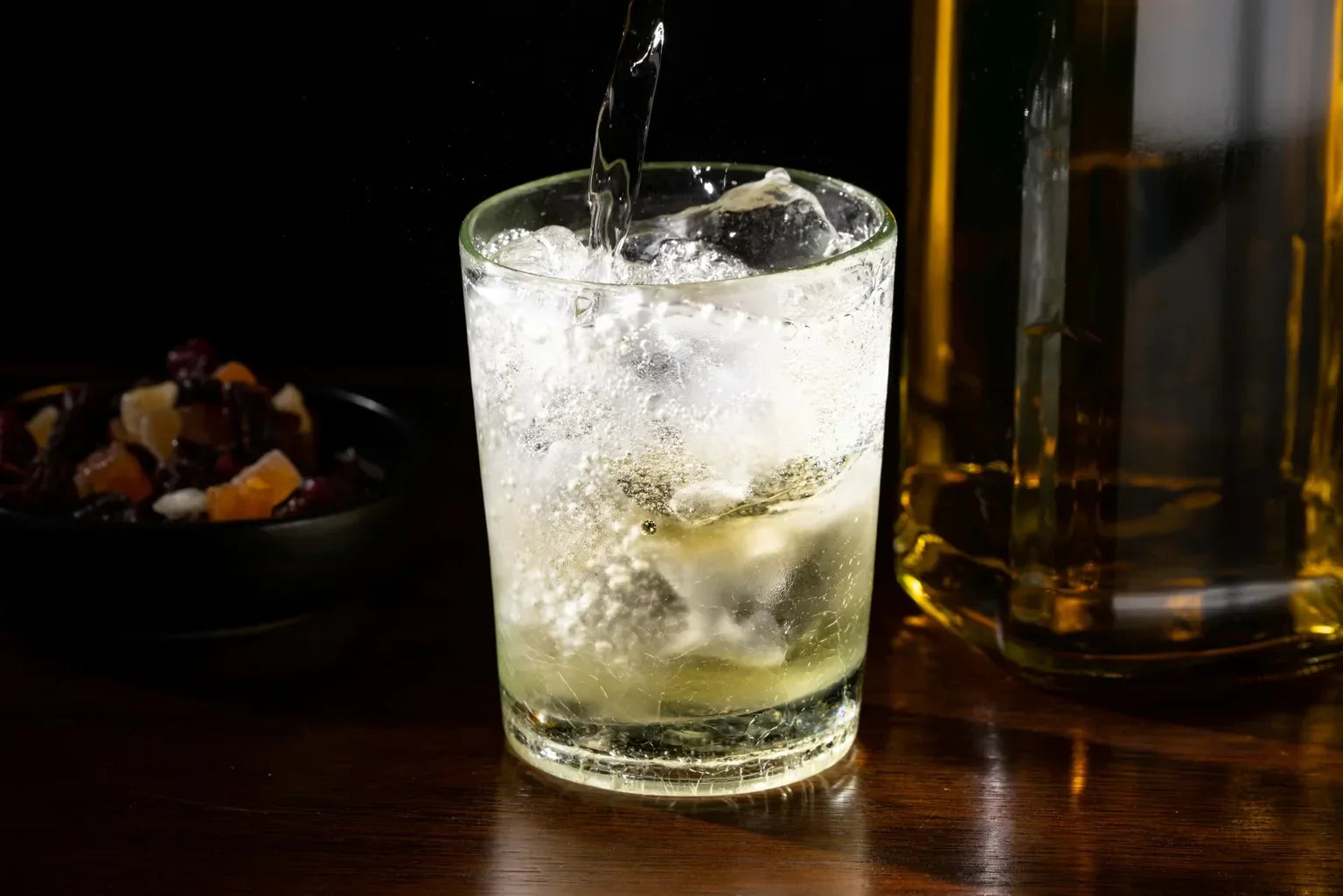
The ice in your glass melts over time.
In other words, when you drink iced coffee, you are essentially drinking
coffee + melted ice water.
This means that the water used to make the ice can also impact the flavor.

Ice eventually becomes part of the drink
Have you ever noticed that the taste of your iced coffee changes from beginning to end when you drink it slowly?
One of the reasons for this is the ice.
Ice doesn't just cool your drink; as it melts, it becomes part of the beverage.
Specifically,
- Odor from the ice
- Distinctive taste of the water
- Refrigerator odors
can affect the coffee's original flavor.
Coffee lovers tend to focus on beans and brewing methods, but ice is actually one of the factors that determines the taste.

Is there a difference in taste between convenience store ice and homemade ice?
Various types of water are used for ice.
There's ice made from typical ice makers, and there's commercially available ice.
While taste perception varies from person to person,
- Differences in water
- Clarity of the ice
- Ice-making method
can change the impression.
For this reason, coffee shops and cafes sometimes pay special attention to their ice.

Why coffee lovers choose soft water
Japan is a country with a soft water culture.
Most tap water in Japan is soft water, and Japanese people are naturally accustomed to it.
Therefore, for beverages like
- Coffee
- Green tea
- Black tea
many people prefer soft water.
Soft water is characterized by its gentle mouthfeel and ease of drinking for many people.

The option of ice made with ultra-soft water
ONSENSUI99 (Onsensui 99) is natural alkaline hot spring water sourced from Tarumizu City, Kagoshima Prefecture.
It is known as natural alkaline hot spring water with an ultra-low hardness of 1.7mg/L and a pH of 9.5-9.9.
You can also enjoy unifying the water you use by using it not only for brewing coffee but also for
- making ice
- ice used in iced coffee.
The concept of ice made with alkaline hot spring water
Ice made with Onsensui 99 also has Onsensui 99 as its base.
Therefore, you can use the same water for both
- the water to brew coffee
- the water to make ice.
While taste perception varies from person to person, some coffee lovers enjoy these subtle differences.

Also recommended for iced tea and matcha latte
The water in ice affects more than just iced coffee.
- Iced tea
- Matcha latte
- Lemon tea
- Fruit water
The same applies to other beverages.
By paying attention not only to the drink itself but also to the ice, you can pursue an even more preferred taste.

Easy taste comparison at home
Why not try comparing iced coffee made with:
- Regular ice
- Ice made with Onsensui 99
You might notice a difference as the ice melts over time.
Summary
The taste of iced coffee isn't solely determined by the coffee beans or brewing method.
The ice, which melts over time, also becomes part of the drink.
That's why,
- the water used to brew coffee
- the water used to make ice
Looking at these aspects might open up new ways to enjoy your coffee.
This hot season, why not pay special attention to the "water for your ice"?
FAQ
Does ice really change the taste?
While taste perception varies from person to person, ice eventually melts into the drink, so the water used can affect the overall taste.
Is soft water suitable for coffee?
Generally, many people in Japan prefer soft water, and it is commonly used for coffee and tea.
Can I make ice with Onsensui 99?
Absolutely. You can easily make it using a home ice maker or ice trays.
Can it be used for beverages other than coffee?
It can also be used for iced tea, matcha latte, lemon tea, and more.